Devil Demons & Satan

56 artworks

  • Help Us Father Silkscreen Print by Frank Kozik

    Frank Kozik Help Us Father Silkscreen Print by Frank Kozik

    Help Us Father 9-Color Hand-Pulled Limited Edition Silkscreen Print on Fine Art Paper by Frank Kozik Rare Street Art Famous Pop Artwork Artist. 19″ x 16.5″ 9-color Screenprint, signed/numbered edition of 100

    $270.00

  • Habibi- Demon HPM Hand-Embellished Giclee Print by Marwan Shahin

    Marwan Shahin Habibi- Demon HPM Hand-Embellished Giclee Print by Marwan Shahin

    Habibi- Demon HPM Pop Street Artwork Limited Edition Giclee Print With Acrylic & Diamond Dust on Photographique Rag Paper by Urban Graffiti Modern Artist Marwan Shahin. 2022 Signed & Numbered Limited Edition of 33 Marwan Shahin's "HABIBI" series an iconic portrait of Lebanese singer Fairuz interpreted throughout different stages of experiencing love, This very limited edition of 33, which each print is intricately arranged with a filigree of Diamond Dust to produce visually intoxicating kaleidoscope-like effects. Habibi: Demon by Marwan Shahin – The Darkest Mirror of Love Habibi: Demon by Marwan Shahin erupts as the most confrontational piece in his HABIBI series—a raw, unflinching portrayal of love at its most distorted and destructive. Signed and numbered in a limited edition of just 33 prints, this 2022 hand-embellished Giclée on Photographique Rag Paper combines acrylic and diamond dust with a violent visual vocabulary that stands apart from the rest of the collection. With sharp chromatic contrast, hallucinatory linework, and surreal horror-inspired iconography, Shahin captures a love that has curdled into obsession, vengeance, or emotional decay. At the center of the artwork, the face of legendary Lebanese singer Fairuz has been transfigured into a blazing red skull—eyes piercing, lips peeled into a skeletal grimace, and crowned with menacing horns. The symbolic use of red and black conjures danger, rage, and forbidden power, while the swirling cyan background draws viewers into a disorienting emotional vortex. This composition demands attention, not just for its aesthetic strength but for its thematic force: the seduction and toxicity of love once it crosses into the realm of self-destruction. Symbolic Violence and Cultural Reverberations Marwan Shahin reconfigures Fairuz—an icon of romantic melancholy and poetic longing—into a demonic muse, embodying how love can take the shape of madness, control, or spiritual fragmentation. The transformation is not arbitrary. In the arc of the HABIBI series, Demon represents the terminal stage of the romantic cycle Shahin has mapped: from yearning to revelation, and finally to emotional collapse. Here, Fairuz’s visage is consumed by inner turmoil, visually echoing the emotional scars hidden behind public personas and cultural expectations. The visual aggression is softened only slightly by the shimmering presence of diamond dust, which adorns the background with hypnotic glints. This layering of glamor over decay echoes the duality present throughout Shahin’s work: beauty masking suffering, intimacy corrupted by ego, and memory crystallized through trauma. Shahin’s use of optical patterns and stylized textures transforms this portrait into a kaleidoscope of chaos—modern love painted with a gothic pulse. A Masterstroke of Street Pop Art and Emotional Brutalism Habibi: Demon is not just a pop culture remix or an experimental graffiti artwork. It is an unfiltered emotional statement rendered through the language of street pop art, executed with exacting technique and deep psychological insight. Shahin’s graphic mastery—a blend of Middle Eastern visual heritage, revolutionary symbolism, and Western pop iconography—makes this print both a compelling piece of visual culture and an emotional weapon. In street pop art, artists often immortalize heroes, satirize leaders, or reframe history. But in this work, Shahin elevates emotional pain itself into the subject. The skeletonized Fairuz isn’t a caricature or villain. She is an archetype—the demon we all face when we confront the shadow side of our own desires, betrayals, and heartbreaks. This piece dares to say what others don’t: that love, when twisted, can become monstrous—and that there is strange, terrifying beauty in that truth. Habibi: Demon is a defiant addition to any serious collection of pop art or graffiti artwork, and a statement on the emotional extremes that define both human relationships and modern iconography.

    $352.00

  • The Removal of Masks Archival Print by Andi Soto

    Andi Soto The Removal of Masks Archival Print by Andi Soto

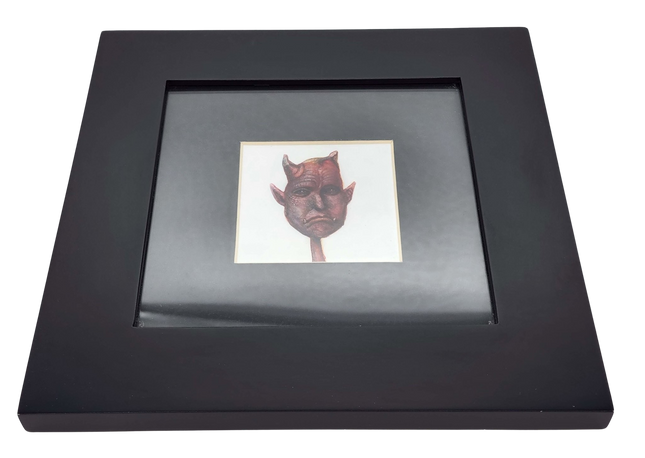
    The Removal of Masks Archival Print by Andi Soto Archival Pigment Fine Art Limited Edition Print on Fine Art Paper Pop Artist Modern Artwork. 2022 Signed & Numbered Limited Edition of 50 Artwork Size 12x18

    $210.00

  • Sale -10% Third Rail PP Serigraph Print by Risk Rock

    Risk Rock Third Rail PP Serigraph Print by Risk Rock

    Third Rail PP Printers Proof Limited Edition Hand Pulled 7-Color Serigraph Print on 320gsm Fine Art Paper by Graffiti Pop Artist Risk Rock. PP Printers Proof 2015 Signed Limited Edition Artwork Size 24x24 Third Rail, 2015 Serigraph in colors on Coventry Rag Fine Art paper 24 x 24 inches (61 x 61 cm) (sheet) P.P. (aside from an edition of 50) Signed, numbered, and dated in pencil along lower edge. 7-Color Serigraph on 320gsm Fine Art Paper Size: 24 x 24 Inches Release: May 10, 2015 Run of: 50. This edition was originally sold with Risk's monograph Old Habits Die Hard. The book narrates Risk’s role as one of the pioneers of graffiti in Los Angeles and his aim to not only push the boundaries of his own art but also help elevate the graffiti movement to worldwide recognition. "Third Rail" by the celebrated graffiti pop artist Risk Rock is a striking embodiment of the vibrancy and subversive energy that define street art. Released on May 10, 2015, as a limited edition hand-pulled serigraph print, it encapsulates the artist's reputation for pushing visual boundaries. Each of the prints from this exclusive release is presented on premium 320gsm Coventry Rag Fine Art paper, with the dimensions of each sheet measuring 24 x 24 inches. This specific print, marked as a Printer's Proof (P.P.), stands apart from the main edition limited to 50, making it even more unique and sought after by collectors. Emphasized by a vivid seven-color palette, the serigraph method employed by Risk enhances the piece's textural depth and chromatic intensity, celebrating the graffiti art form's intrinsic link to urban culture. The artwork is not only signed by the artist but also numbered and dated along its lower edge, verifying its authenticity and connecting it directly to its creator's storied career. The image itself, a devilish, grinning face set against a backdrop of psychedelic colors and shapes, exudes the rebellious spirit inherent to the graffiti movement. This edition holds special significance as it was originally sold with Risk's monograph, "Old Habits Die Hard." The publication dives into Risk's influential role as one of the progenitors of the Los Angeles graffiti scene. His work and leadership helped catapult street art from its underground roots to a significant movement recognized worldwide. The monograph details Risk’s journey as an artist and his dedication to advancing not only his artistic expressions but also to contributing to the broader acceptance and appreciation of graffiti as a legitimate and powerful art form. Risk Rock's "Third Rail" stands as a potent representation of this transformative era in art, symbolizing the transition of graffiti from street corners to fine art galleries, and securing Risk’s legacy within the cultural tapestry of pop art, street art, and graffiti.

    $913.00 $822.00

  • Business Is Booming Giclee Print by Ben Kehoe

    Ben Kehoe Business Is Booming Giclee Print by Ben Kehoe

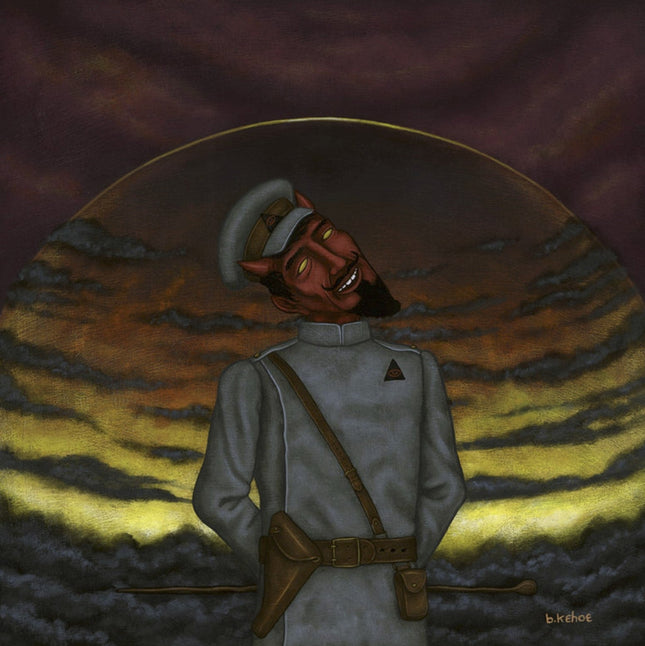
    Business Is Booming Limited Edition Giclee Fine Art Prints on Archival Photo Paper by Graffiti Street Art and Pop Culture Artist Ben Kehoe. 12" x 12" total size; 9.25" x 9.30" image size printed on Innova Photo Rag 315 gsm paper signed and numbered

    $159.00

  • Inferno Welcome to Hell 2000 Wild Brain Event Silkscreen Print by Frank Kozik

    Frank Kozik Inferno Welcome to Hell 2000 Wild Brain Event Silkscreen Print by Frank Kozik

    Inferno Welcome to Hell 2000 Wild Brain Event Silkscreen Print by Frank Kozik Hand-Pulled on Fine Art Paper Limited Edition Pop Street Art Artwork. 2000 Signed by Kozik & Numbered Limited Edition of 300 Artwork Size 22x36 Silkscreen Print Band Gig Poster by Frank Kozik. WildBrain.com Event Promo September 8th 2000, Pig with gun in hell surrounded by fire.  Frank Kozik Inferno Welcome to Hell 2000 Wild Brain Silkscreen Print Frank Kozik, born in Spain in 1962 and later based in the United States until his passing in 2023, was a defining force in modern gig poster design and Street Pop Art & Graffiti Artwork. The Inferno Welcome to Hell silkscreen print from September 8, 2000 was created as promotional artwork for a WildBrain.com event and reflects Kozik’s unmistakable fusion of underground comic aggression and graphic precision. This hand-pulled silkscreen on fine art paper measures 22 x 36 inches and was issued as a signed and numbered limited edition of 300. By the year 2000, Kozik had already solidified his reputation for transforming concert and event posters into collectible fine art prints, using bold color separations and confrontational imagery to elevate promotional materials beyond their commercial purpose. Graphic Provocation and Iconography in Street Pop Art & Graffiti Artwork The Inferno Welcome to Hell composition centers on a pig wielding a gun while engulfed in a fiery hellscape, a visual scenario that aligns with Kozik’s recurring use of satirical and politically charged symbolism. The pig motif, often associated with authority or corruption in countercultural language, becomes amplified within an infernal setting filled with flames and exaggerated intensity. Kozik’s mastery of silkscreen printing is evident in the saturated reds, yellows, and blacks that dominate the image, creating a high-impact poster readable from a distance while maintaining intricate linework upon closer inspection. The aggressive headline typography and dramatic scene construction demonstrate how Street Pop Art & Graffiti Artwork frequently borrows from pulp illustration, underground comics, and punk aesthetics to critique power structures while maintaining a sharp graphic appeal. Frank Kozik’s Role in the Evolution of Limited Edition Gig Posters By 2000, Frank Kozik had helped establish the limited edition gig poster as a respected collectible format within Street Pop Art & Graffiti Artwork, shifting perception from disposable advertising to archival printmaking. The signed edition of 300 for Inferno Welcome to Hell reflects the controlled scarcity model that defined much of the late 1990s and early 2000s poster movement. Each hand-pulled print represents a direct connection between artist, event, and audience, reinforcing the cultural exchange between live performance and visual art. Works such as this WildBrain promotional poster highlight Kozik’s ability to combine satire, technical discipline, and bold imagery into a format that remains historically significant within contemporary print culture.

    $450.00

  • The House that Hanuman Built 16x20 Archival Print by Pooch

    Pooch The House that Hanuman Built 16x20 Archival Print by Pooch

    The House that Hanuman Built 16x20 Limited Edition Archival Pigment Prints on Fine Art Paper by Pooch Graffiti Street Artist Modern Pop Art.

    $159.00

  • Sale -10% Demon Jellyfish Original Marker Drawing by Buff Monster

    Buff Monster Demon Jellyfish Original Marker Drawing by Buff Monster

    Demon Jellyfish Original Marker Drawing by Buff Monster on Card Stock Paper, Modern Street Pop Artwork. 2007 Signed Original Magic Marker Drawing Size 10x6 of a Flying Demon JellyFish "Demon Jellyfish," a striking piece by Buff Monster, encapsulates the spirited essence of street pop art. Crafted in 2007, this original magic marker drawing on card stock paper bears the dimensions of 10x6 inches and presents an intriguing subject—a flying demon jellyfish. As a signed original, it is a tangible connection to Buff Monster's creative spirit and street art's broader narrative. The artwork features a whimsical creature, a hallmark of Buff Monster's style, which often combines the cute with the grotesque and the playful with the demonic. This juxtaposition is emblematic of street pop art's power to blend disparate elements to provoke thought and evoke emotion. The jellyfish, with its dangling tentacles and angelic wings, invites a dialogue about the nature of duality—sinister yet benign, floating yet directed. Buff Monster's use of stark black ink against the plain background exemplifies the potency of contrast—a technique frequently employed in street art to convey explicit, powerful imagery even from a distance. The decision to represent a demon jellyfish suggests a narrative where mythological creatures and urban legends converge, creating a tapestry of modern folklore. The inclusion of Buff Monster's signature and the year of creation anchors the piece in time, offering authenticity and a snapshot of the artist's evolution. As street pop art continues to gain recognition, works like "Demon Jellyfish" are pivotal in chronicling the movement's history and the diversity of its artistic expressions. In the broader context of street pop art and graffiti, the "Demon Jellyfish" stands as a testament to the unbounded creativity of artists who draw inspiration from their urban environments. Buff Monster's work challenges viewers to find beauty and meaning in unexpected forms, proving that even the most fantastical creatures have a place on the streets and in the hearts of those who encounter them.

    $845.00 $761.00

Devil Demons & Satan Graffiti Street Pop Artwork

Diabolic Inspirations in Urban Artistry

The devil, demons, and Satan have long been a source of inspiration for artists, and in the world of street pop art and graffiti artwork, they represent a rich tapestry of narratives. These figures, steeped in religious and cultural lore, have been reappropriated by street artists to explore themes of temptation, power, and rebellion against societal norms. The streets, often a stage for the marginalized and the nonconformist, become a fitting backdrop for these infernal images, inviting passersby into a world where the macabre dances with the mundane.

Confronting Demons through Spray Paint and Stencils

In street art, portraying demonic entities is a potent tool for social commentary. Artists use the underworld imagery to address issues such as human vice, institutional corruption, and the darker side of authority. These figures are no longer Biblical antagonists but symbols of the struggle against oppression and the fight for individual liberty. The devilish figures in street art can range from frighteningly detailed to cartoonishly exaggerated, but regardless of the style, they carry a message that resonates with the observer. They remind us that art can confront uncomfortable truths and that the battle between good and evil is as much a part of street culture as it is of ancient scriptures.

The Enduring Appeal of Satanic Symbols in Street Art

The inclusion of satanic symbols in street pop art and graffiti artwork taps into a deep well of cultural significance. These symbols, once used to mark heretics and outcasts, are now badges of honor for artists who stand at the edges of mainstream culture. Such imagery is not merely for shock value; it is a deliberate choice to engage with the viewer on a visceral level, to challenge perceptions, and to incite introspection. The artists who bring these dark figures to life on city walls are often as enigmatic as the subjects they paint. Their true identities are shrouded in mystery, like the true nature of the figures they depict. Yet, their contributions to the urban landscape are indelible, adding depth and complexity to the visual and cultural narratives of the cities they adorn. The representations of the devil, demons, and Satan in street art are a testament to the enduring power of these ancient figures and their ability to adapt to modern contexts. As long as there are walls to paint, these symbols will continue to provoke, inspire, disturb, and delight, ensuring that the conversation about the nature of evil and the human condition continues in the open air for all to see and ponder.

The Devil in the Details: Infernal Imagery in Street Art

The figure of the devil has long held a place in the annals of iconography, manifesting across cultures and religions as the embodiment of evil, temptation, and rebellion. In street pop art and graffiti artwork, the devil emerges as a symbol of hostility and a representation of resistance and subversion. Artists have appropriated this powerful image to challenge societal norms, provoke thought, and add a sense of the sinister to the urban landscape.

Diabolical Depictions: Street Art's Satanic Symbols

In the hands of street artists, the devil takes on many forms. These range from the traditional horned figure lurking in the shadows to more abstract representations that capture the essence of wickedness or defiance. The devil in street art is often used to comment on themes of power, corruption, and human folly. It becomes a visual shorthand for the darker aspects of society and human nature, a rebellious spirit that challenges viewers to confront their perceptions of good and evil. These depictions can be found in alleyways, on the sides of buildings, and even in the spaces of sanctioned public art. They stand as a testament to the enduring fascination with the figure of the devil and its ability to convey complex messages in a single, powerful image. The artists who bring these depictions to life often remain as mysterious as the figure they portray, known only by their pseudonyms, leaving their work to speak for itself.

Satanic Styles and Modern Morality in Graffiti Art

The portrayal of the devil in graffiti art can be seen as a mirror to modern morality, reflecting societal tensions and the ever-present struggle between right and wrong. In this context, the devil often symbolizes the countercultural aspects of street art itself, which has historically operated on the fringes of legality and social acceptance. The figure is at once a nod to the illicit nature of graffiti and a broader commentary on the artist's role as an outsider and provocateur. The use of the devil in street art also serves as a conversation starter, prompting discussions about spirituality, morality, and the role of myth in contemporary life. Through the satanic symbols scrawled across urban canvases, artists question the binary of good versus evil and the shades of gray that color human actions. In street pop art and graffiti, the devil continues to dance, a figure of intrigue and inspiration. The artists who employ this imagery do not do so lightly; they know its power and the weight of history it carries. Whether used to critique, shock, or adorn, the devil in street art is a force that cannot be ignored, compelling all who encounter it to engage with the profound themes it represents.
Footer image

© 2026 Sprayed Paint Art Collection,

    • Amazon
    • American Express
    • Apple Pay
    • Bancontact
    • Diners Club
    • Discover
    • Google Pay
    • iDEAL Wero
    • Mastercard
    • PayPal
    • Shop Pay
    • Visa

    Login

    Forgot your password?

    Don't have an account yet?
    Create account