


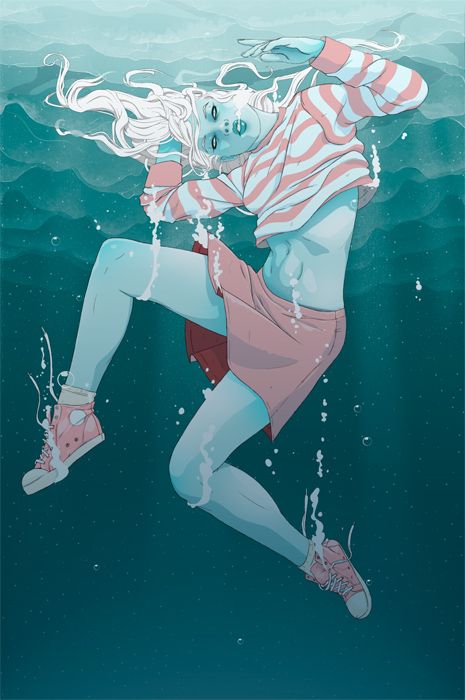

Drowning as a Visual Metaphor in Street Pop Art & Graffiti Artwork
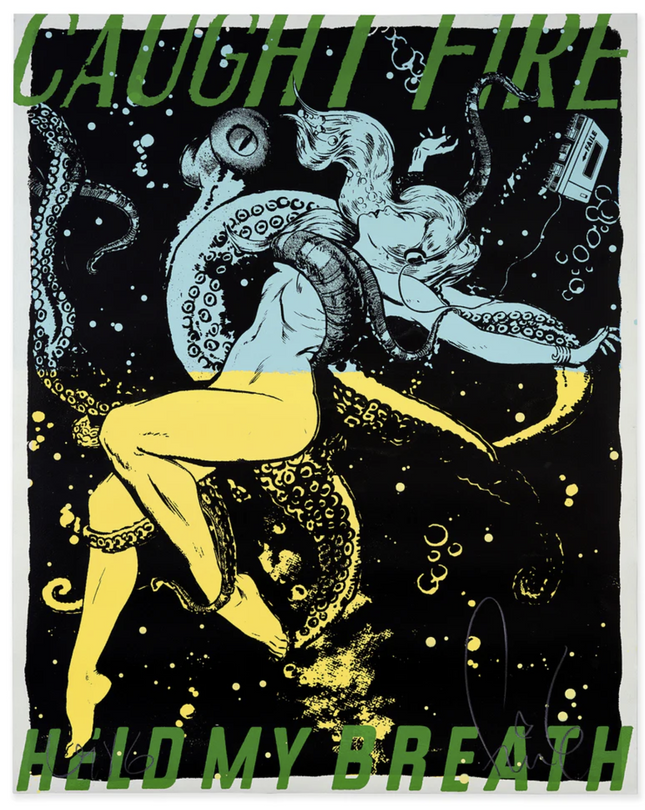
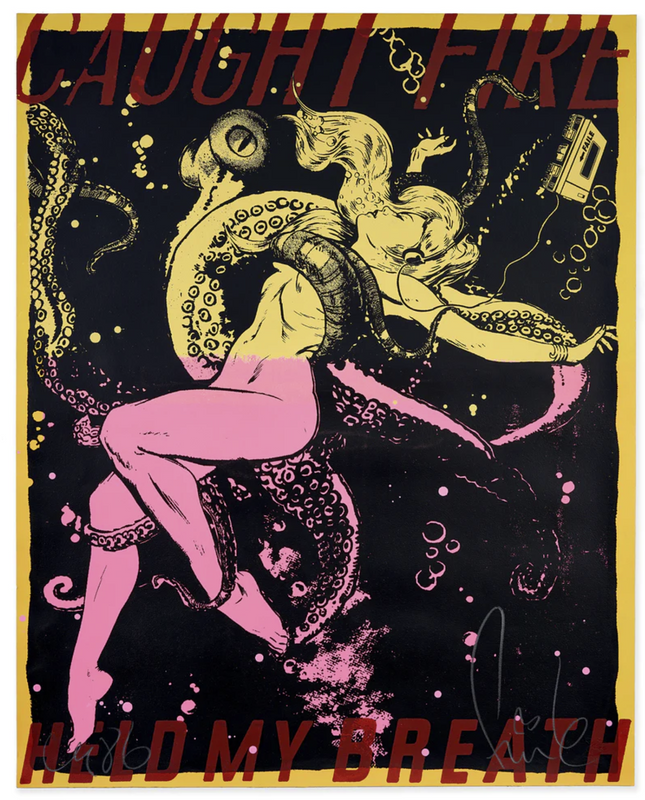
Drowning has emerged as a recurring theme in Street Pop Art & Graffiti Artwork, often symbolizing emotional overwhelm, psychological collapse, or societal pressure. Artists across the world have adopted this motif to explore mental health, loss of control, and the sensation of being submerged by forces internal or external. Whether depicted literally—figures sinking beneath waves—or abstractly—bodies tangled in pattern, ink, or texture—the act of drowning becomes a visual metaphor for invisibility, isolation, and unresolved trauma. Unlike romanticized water imagery, these portrayals are confrontational, using the immediacy of street and pop language to force reflection on distress that is rarely visible on the surface.
Submerged Identity and Visual Distortion
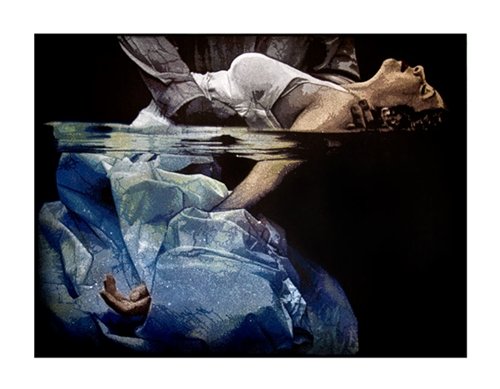
In graffiti murals and pop-inspired stencils, drowning figures are often portrayed with blurred outlines, submerged faces, or collapsing bodies. These visual techniques echo the distortion of voice and identity that accompanies anxiety or despair. The waterline becomes a boundary between being seen and being lost. Artists may paint over portions of faces, submerge text, or render limbs in waves of fragmented geometry. These stylistic decisions align with the graphic tools of street art—bold silhouettes, limited palettes, and dynamic form—to evoke the physical sensation of drowning without relying on realism. Within Street Pop Art & Graffiti Artwork, this language becomes a way to reclaim inner crisis and project it outward, turning vulnerability into a public, politicized act of expression.
Emotional Collapse and Urban Pressure
The urban landscape—already loud, fast, and vertical—serves as the perfect backdrop for the theme of drowning. Large-scale murals of floating or sinking bodies against city backdrops highlight how densely populated environments can amplify feelings of emotional suffocation. Characters drowning in consumer logos, traffic patterns, or abstract forms of data visualization represent the psychological effect of modern life. Whether it is the drowning office worker with a briefcase or a child sinking into piles of advertisement scraps, these artworks critique the systems that weigh individuals down. In Street Pop Art & Graffiti Artwork, drowning is not only a personal metaphor—it is a social one, mapping internal collapse onto environmental structure.
Graffiti as Lifeline and Breath
While the imagery of drowning carries weight and sadness, many artists use it as a point of transformation. In some pieces, the water is cut by rays of light. In others, hands reach out from below, signaling survival or resistance. This duality reflects the essence of Street Pop Art & Graffiti Artwork—art that wrestles with despair while still creating space for hope. The act of putting pain on the wall is itself a breath, a surface above water. Through murals, stencils, and mixed media, artists reclaim control by visualizing what it means to drown and, by doing so, make it impossible to ignore. In this way, drowning becomes not just an end, but a deeply human cry for presence, connection, and air.