







Drugs in Street Pop Art & Graffiti Artwork
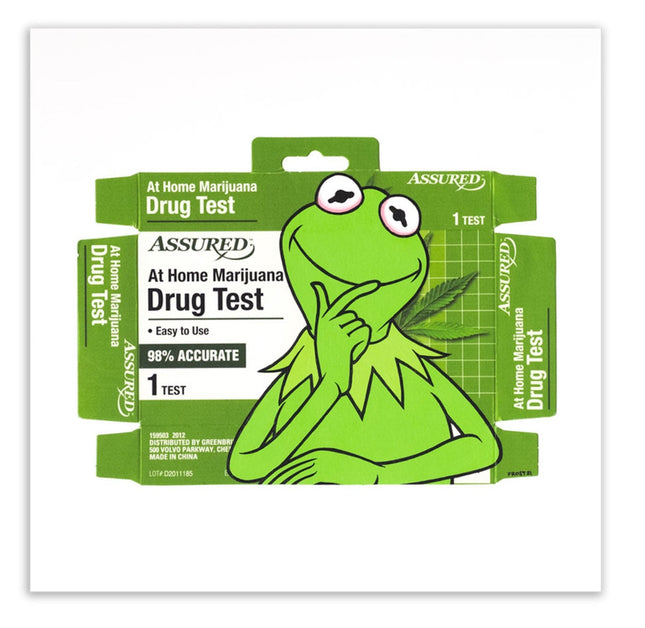
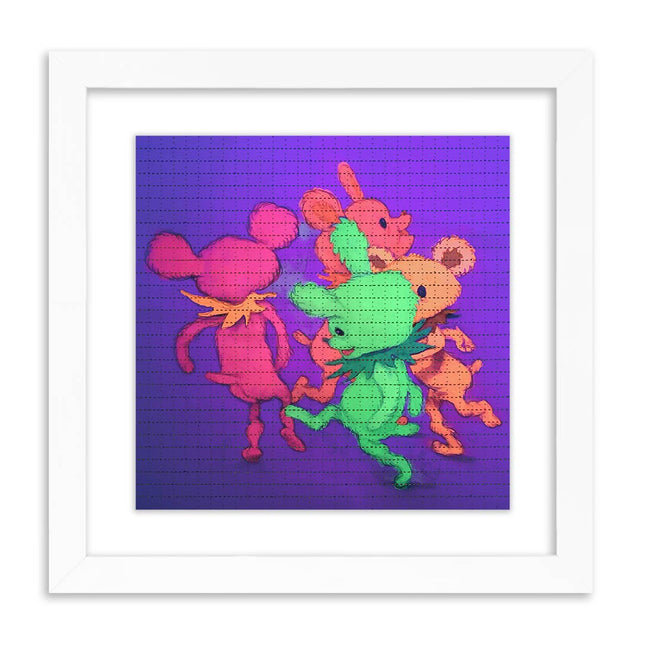
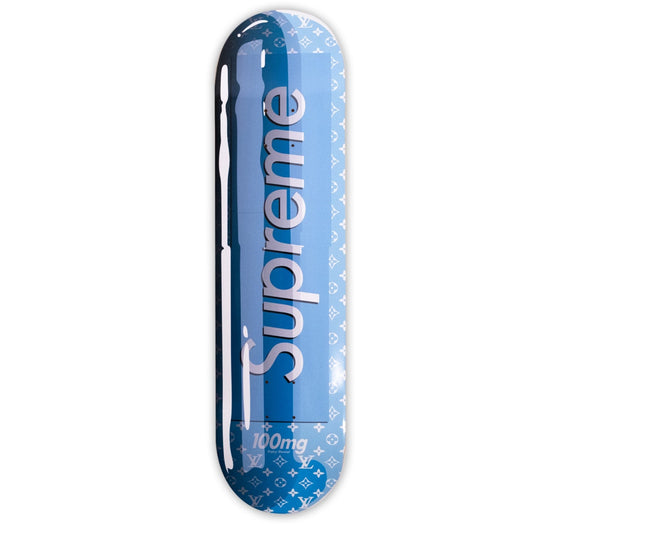
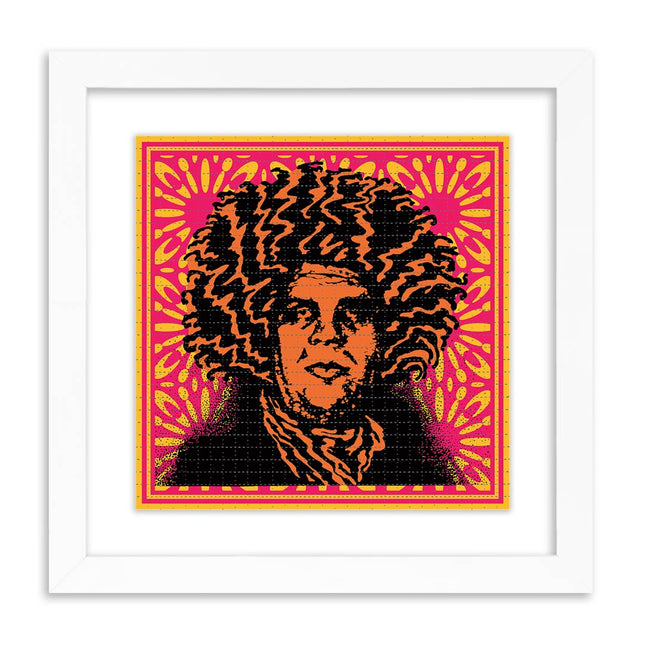
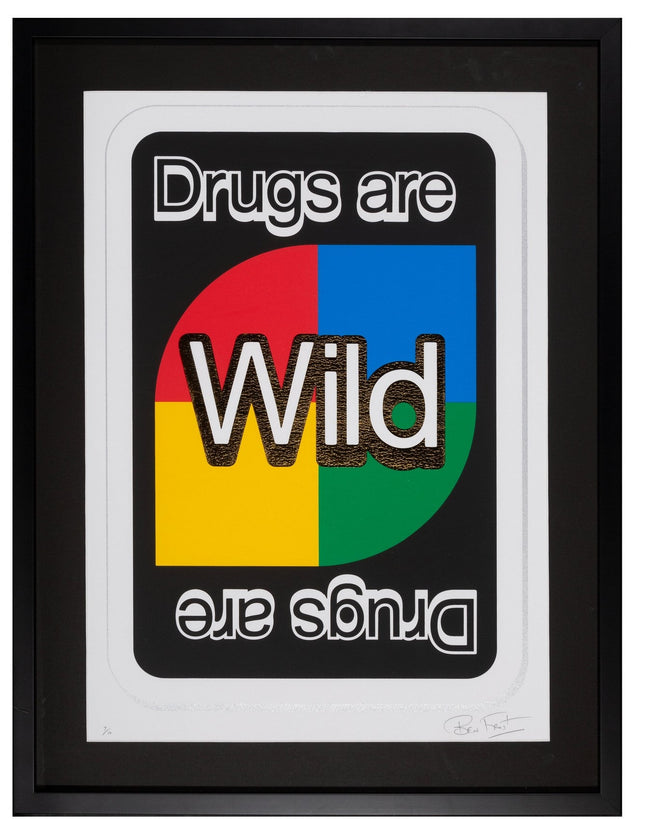
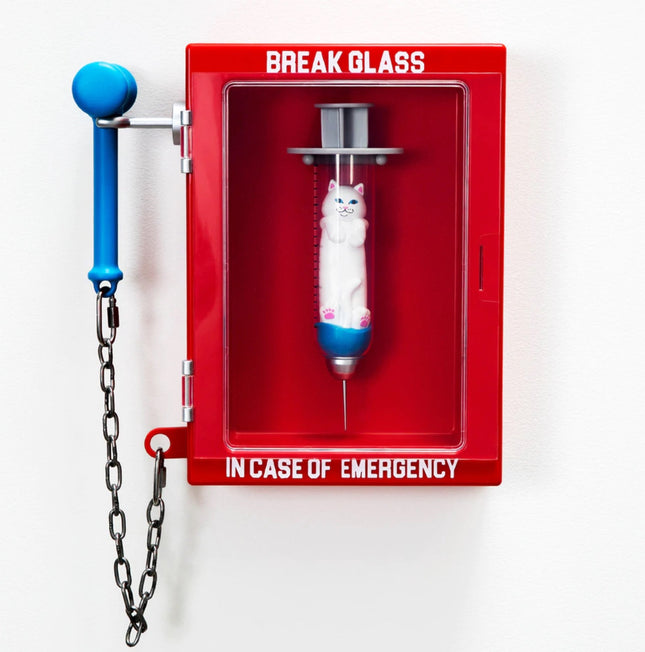
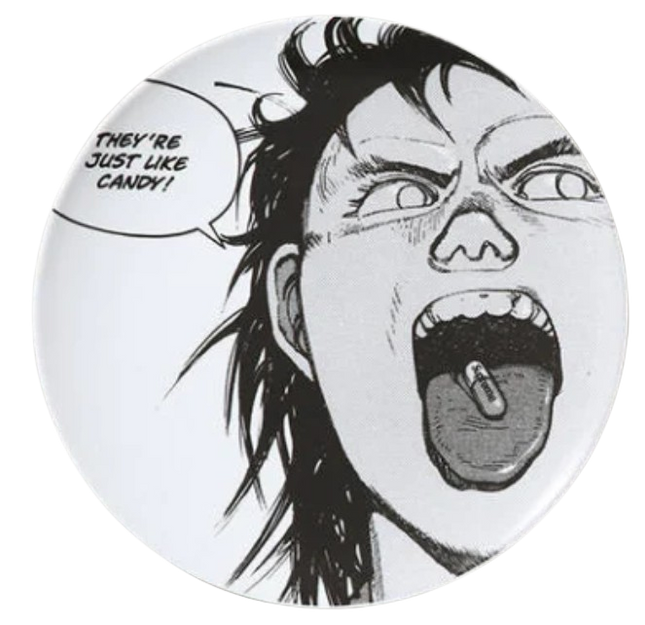
The presence of drugs as a subject in Street Pop Art & Graffiti Artwork has long functioned as a powerful cultural mirror reflecting society’s fascination, fear, rebellion, and addiction. From the early days of underground zines and subway graffiti to the polished editions found in pop art galleries today, references to drugs appear both overtly and symbolically. Artists use imagery related to pills, joints, syringes, tabs, powder, and pills not simply to glorify or condemn, but to interrogate deeper themes of escapism, social decay, counterculture, and altered consciousness. The chaotic relationship between drugs and modern life is encoded in the iconography of urban visual art where it serves as both an artistic medium and subject matter. Whether painted on a train car or framed in a fine art print run, the visual language of drugs serves as a lens through which reality is distorted and reexamined.
Psychedelia and Synthetic Expression
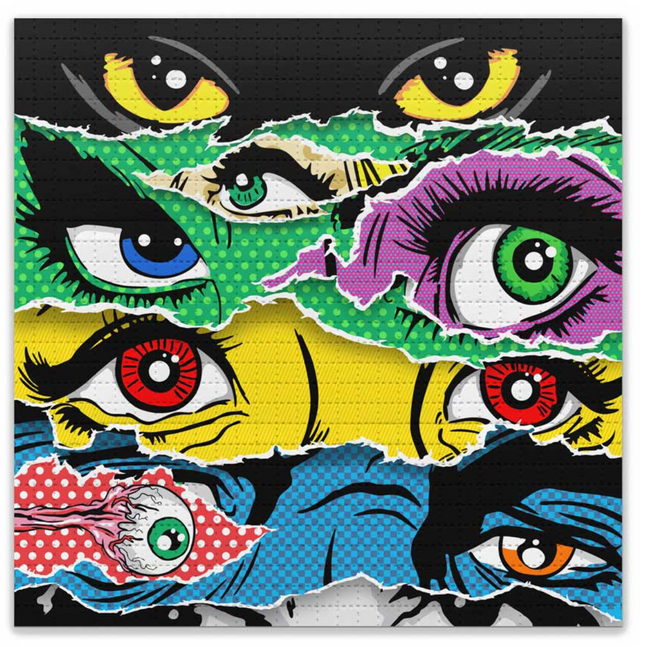
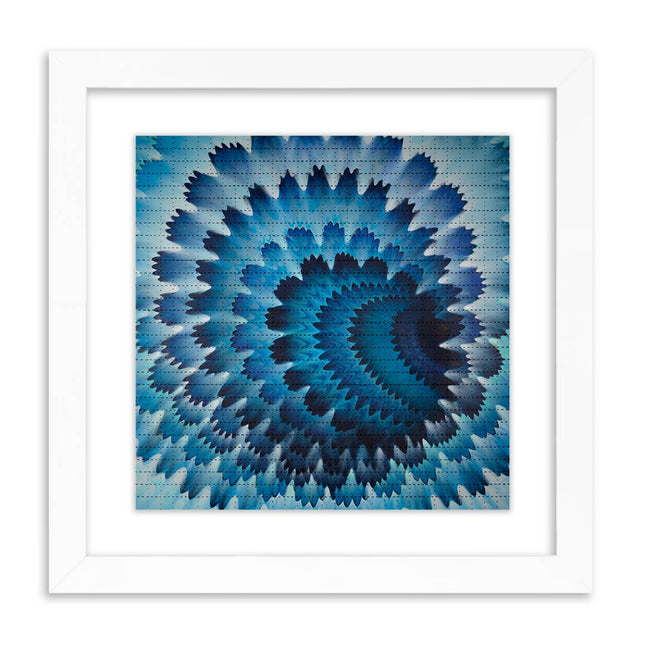
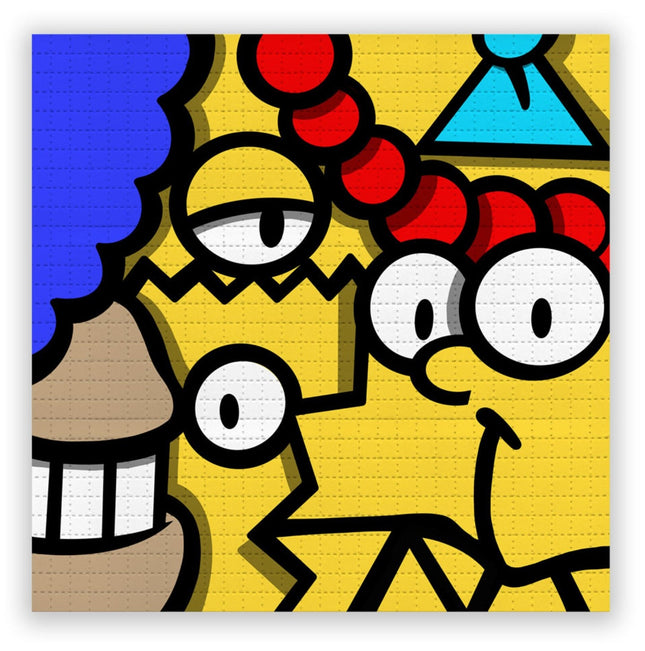
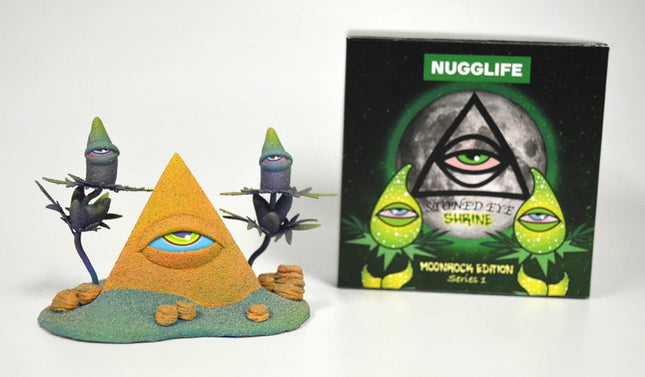
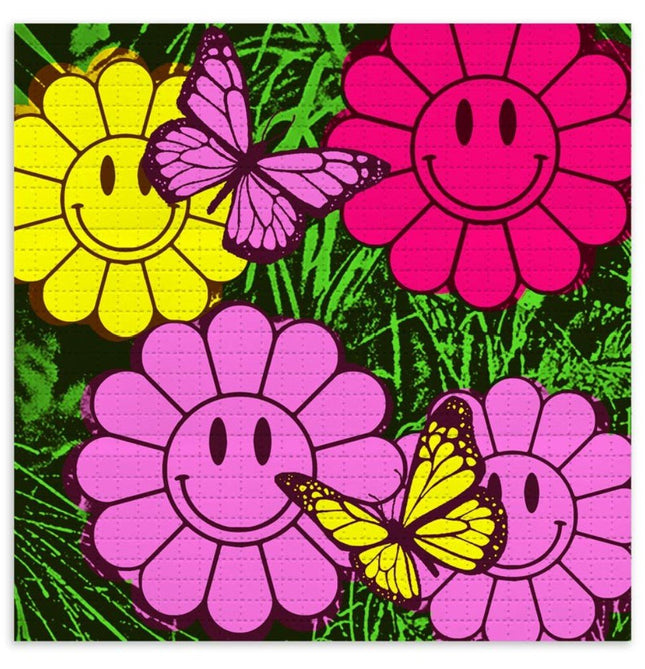
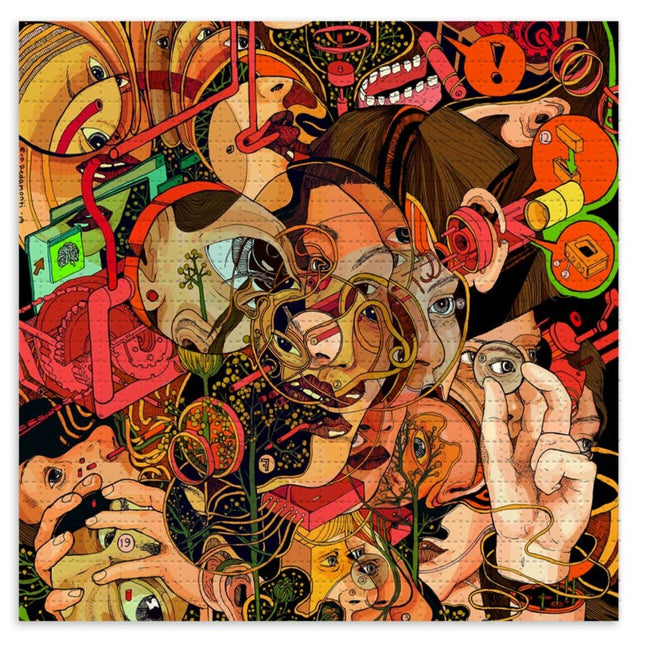
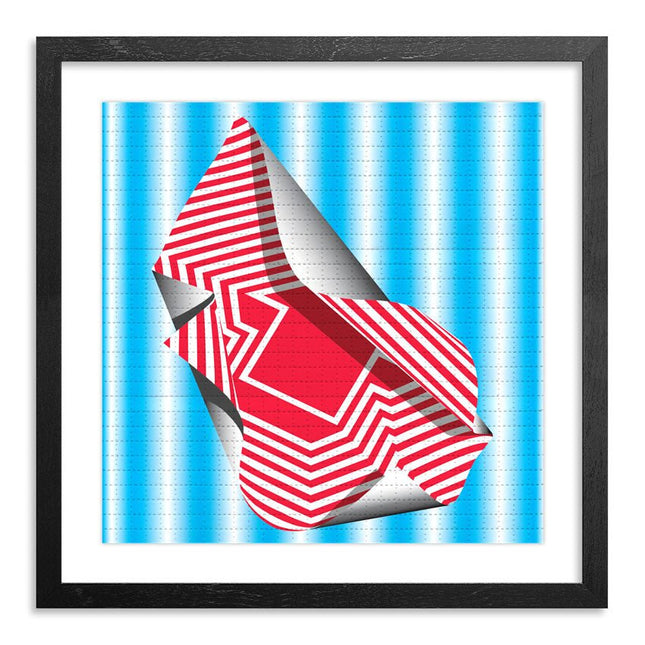
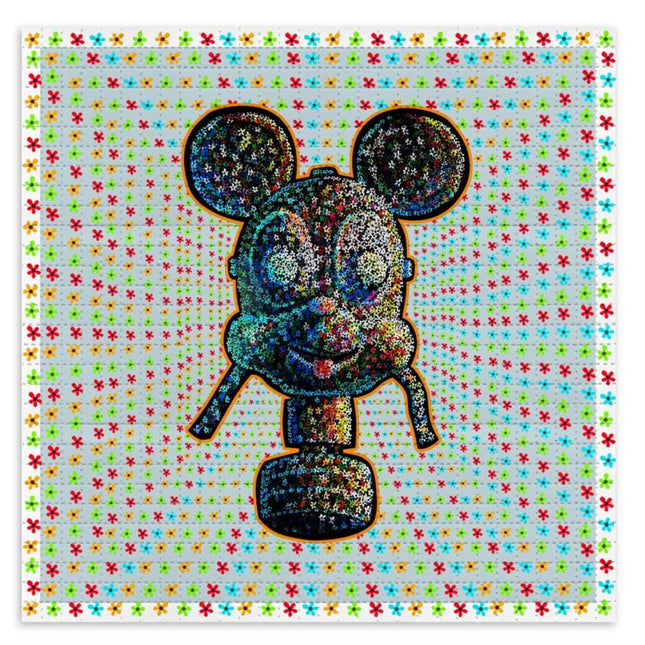
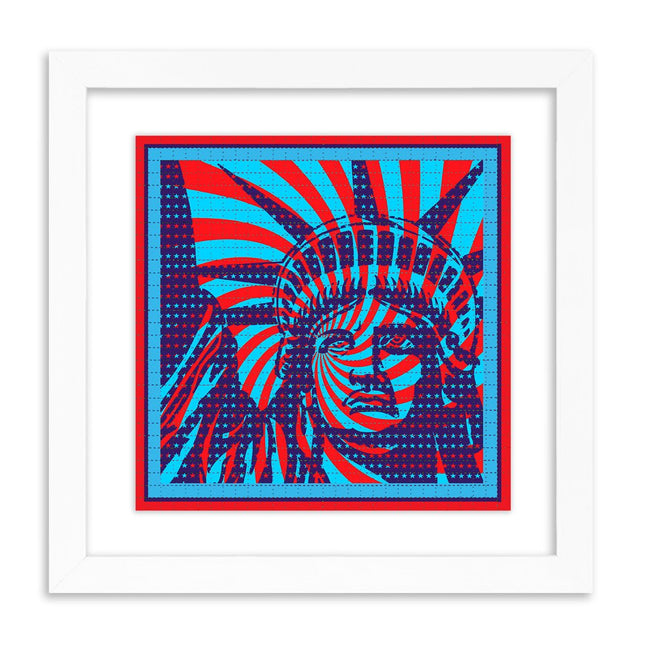
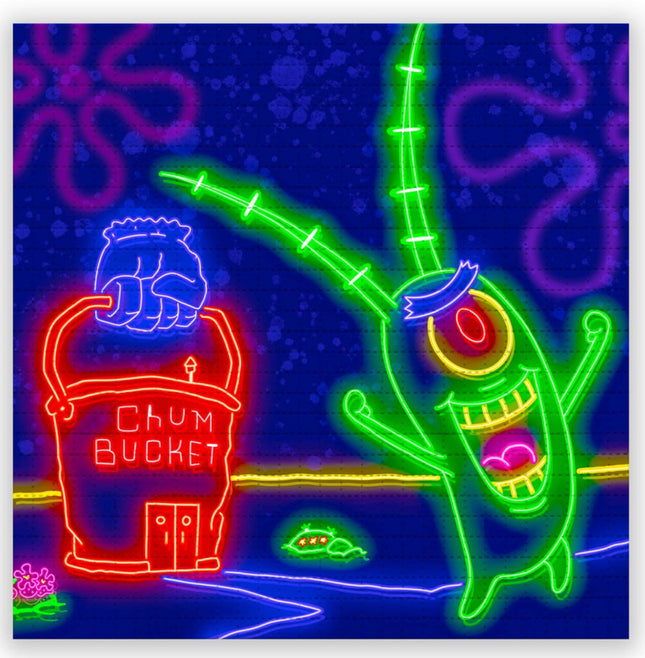
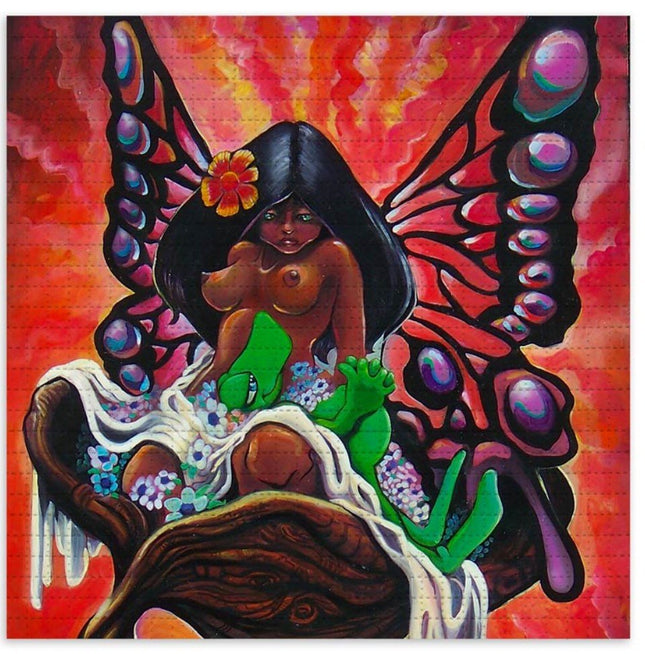
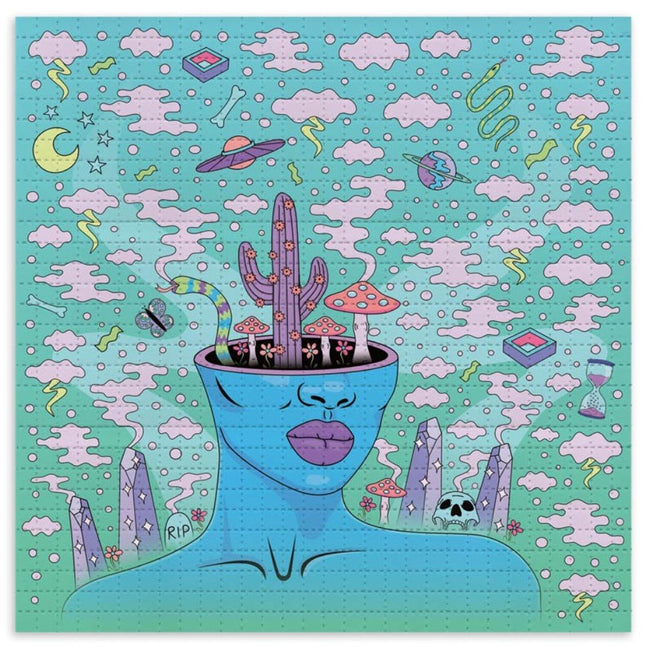
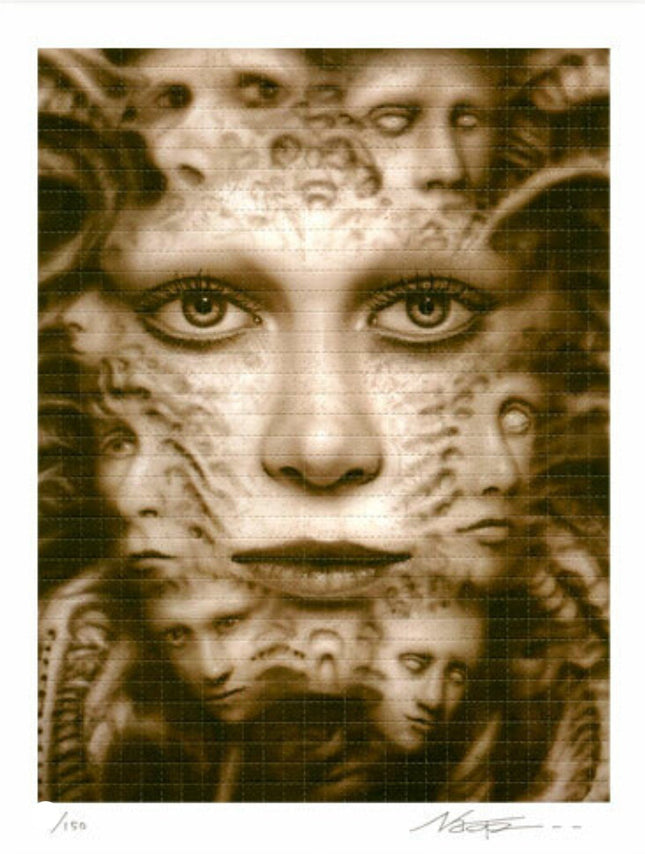
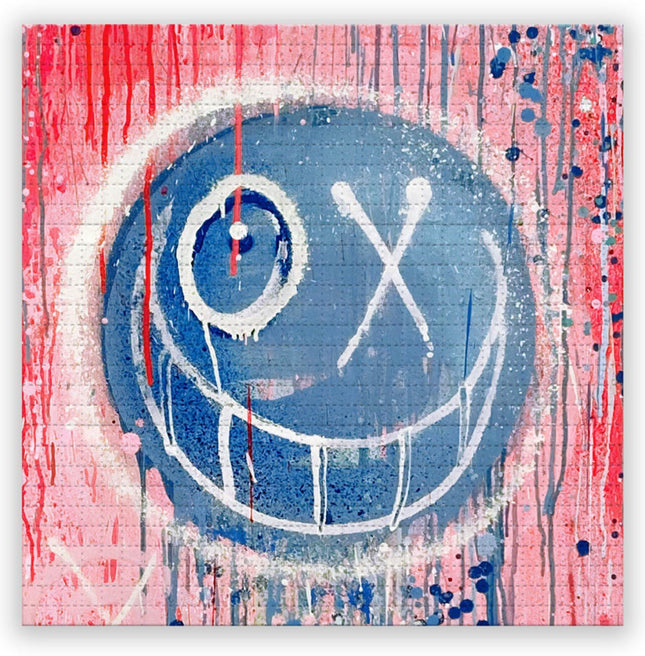
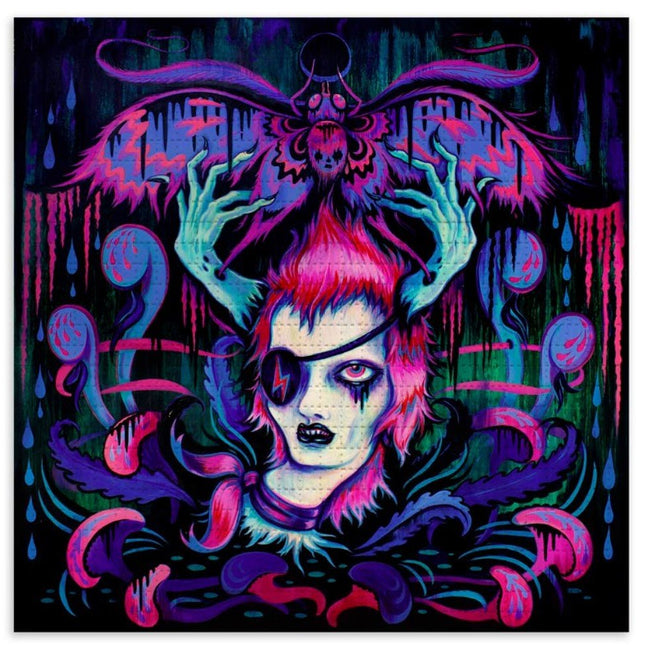
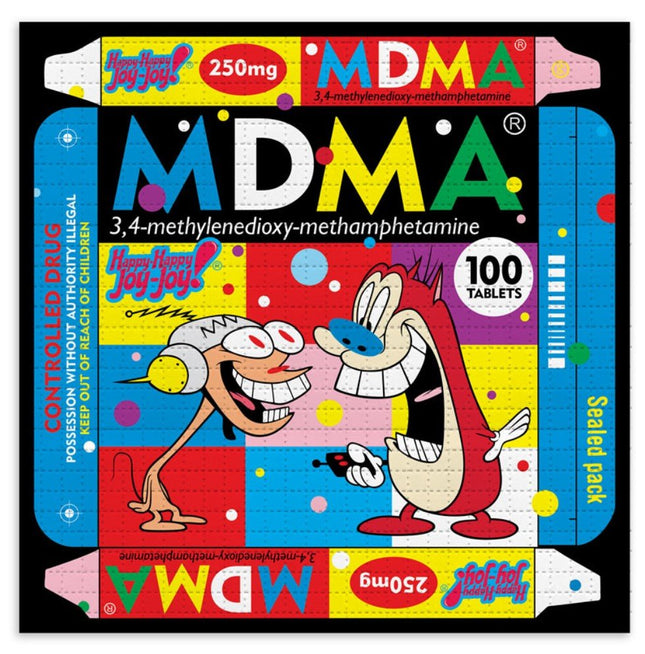
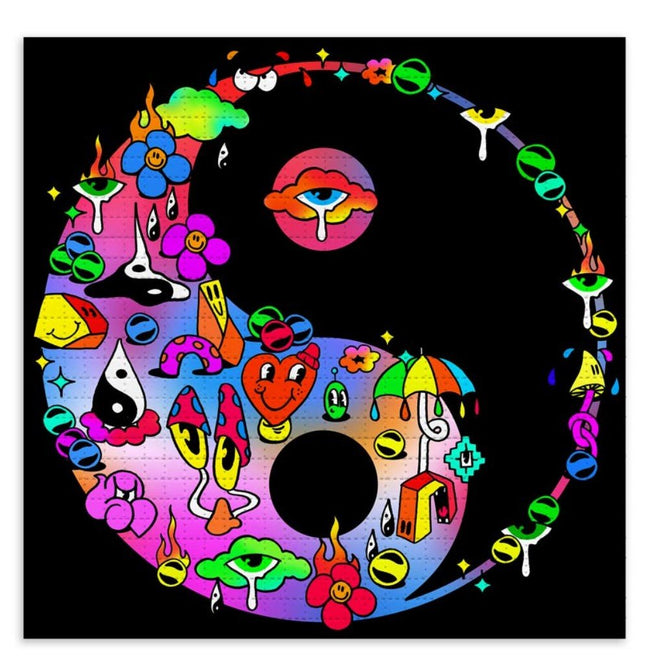
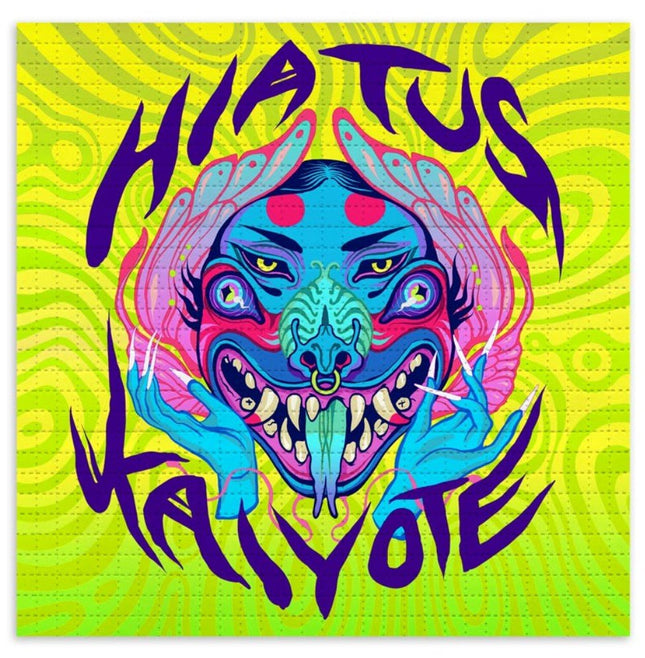
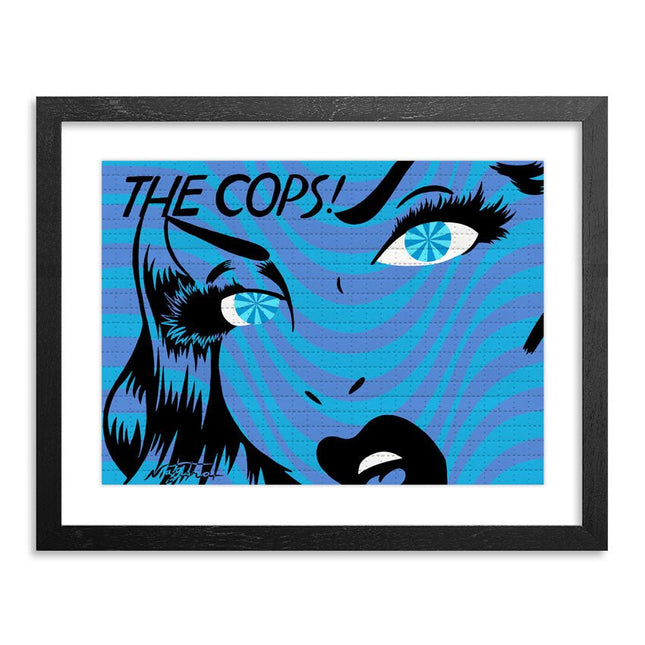
The impact of substances like LSD, MDMA, and psilocybin can be seen in the vibrant, psychedelic aesthetics that are central to many Street Pop Art & Graffiti Artwork pieces. Fluid linework, hallucinatory characters, and overstimulated palettes reference the warped realities experienced during drug use. The graphic interpretations of these altered states serve to visually manifest the feelings of euphoria, detachment, or fragmentation that define many chemical journeys. Artists such as Buff Monster and Ron English have used stylized characters and acid-toned color schemes to invoke the sense of fantasy and disarray associated with drug-fueled perception. These visuals are not accidental—they are engineered to evoke chemical influence, a warped mirror of the mental environments that drugs can create. In this way, the work does not simply depict drugs but functions as a surrogate experience of their effects.
Critique and Commodification
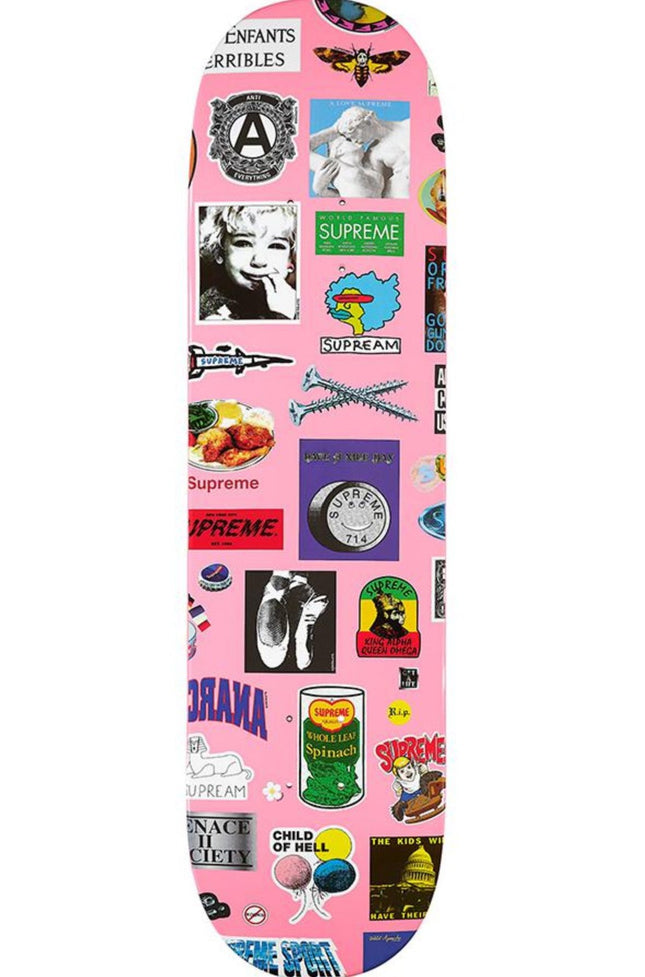
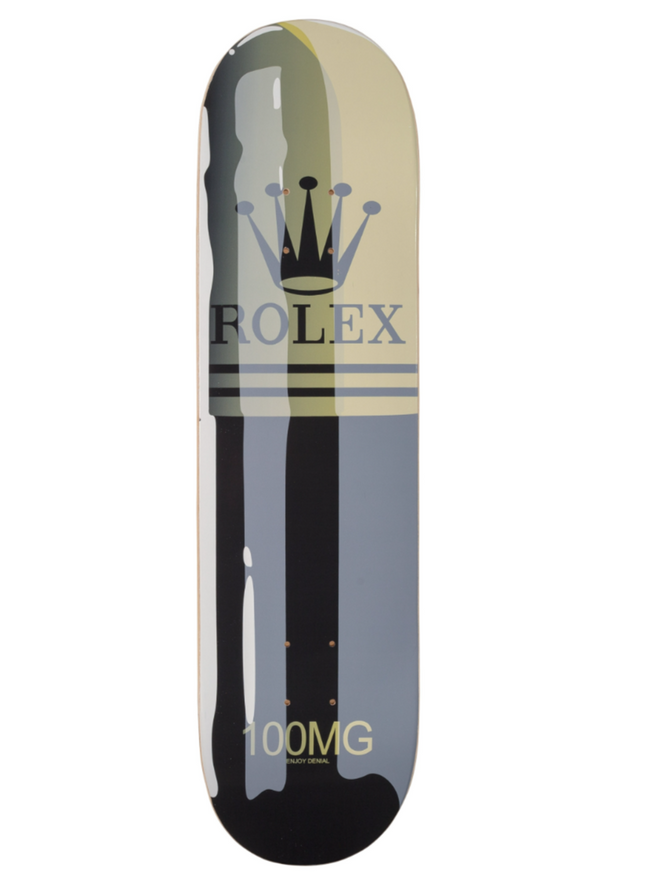
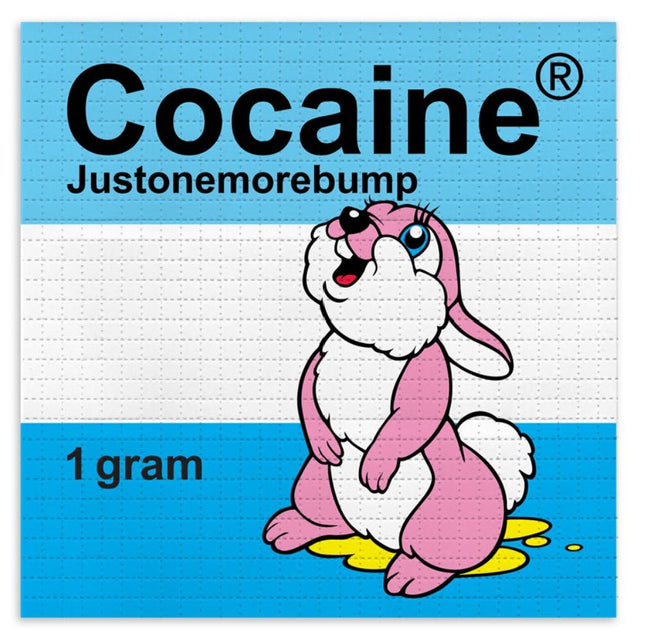
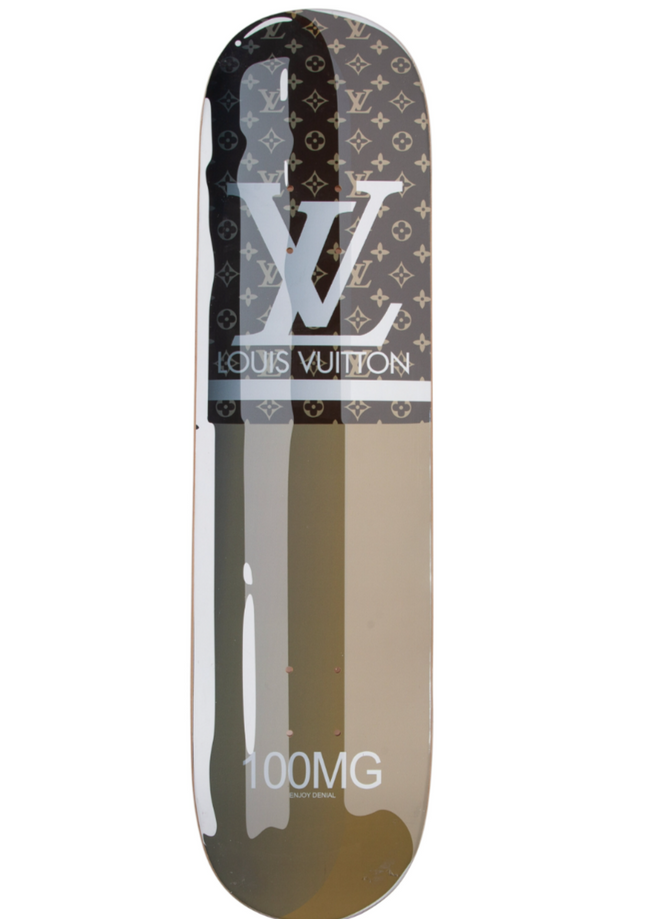
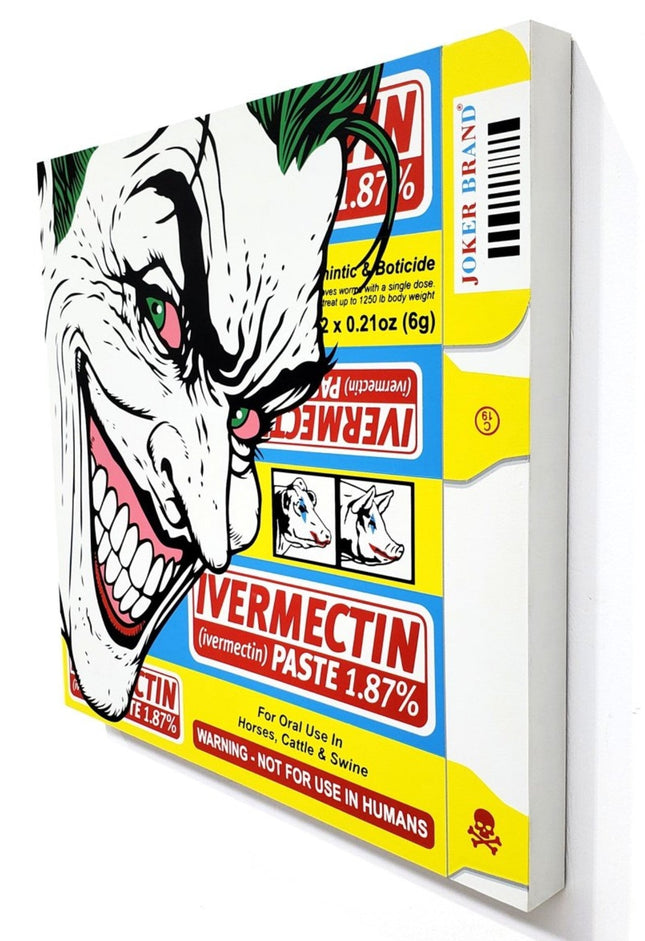
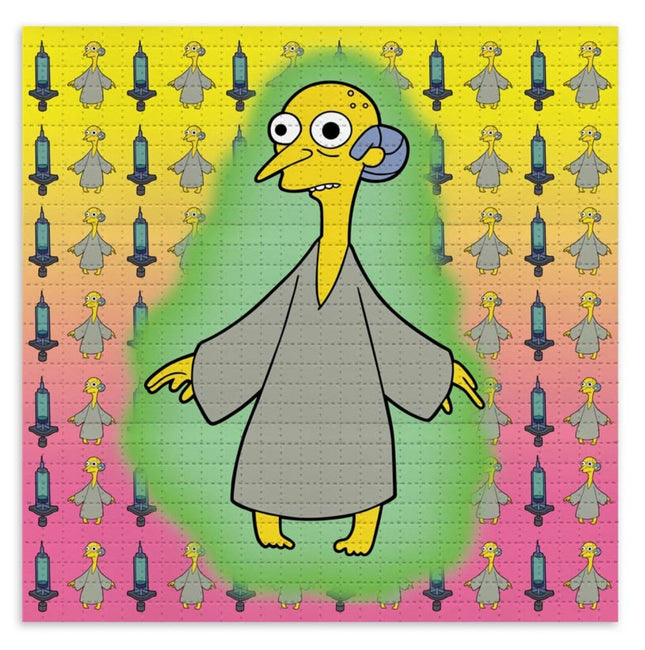
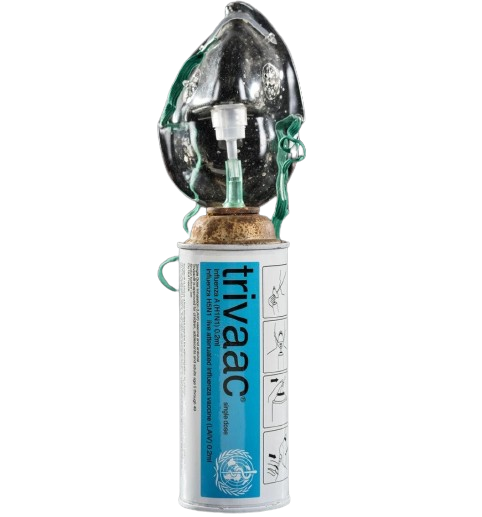
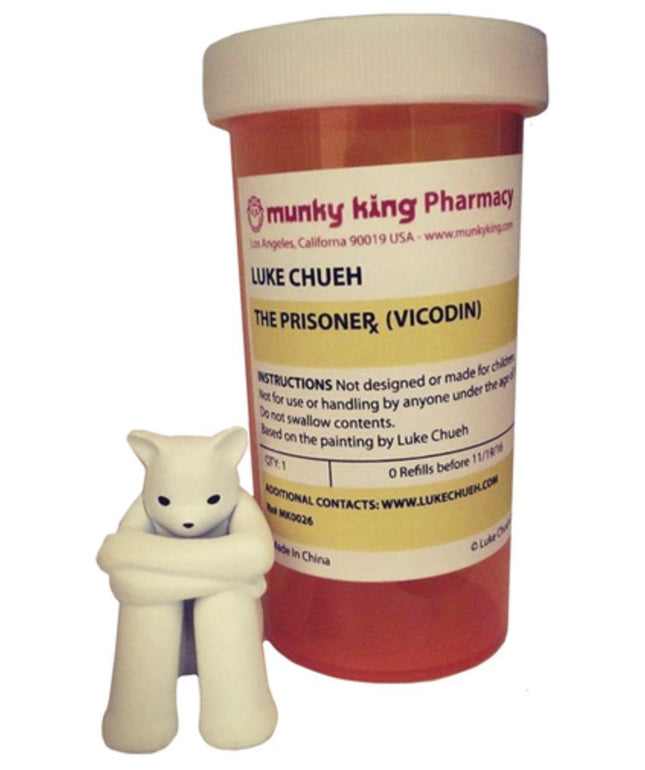
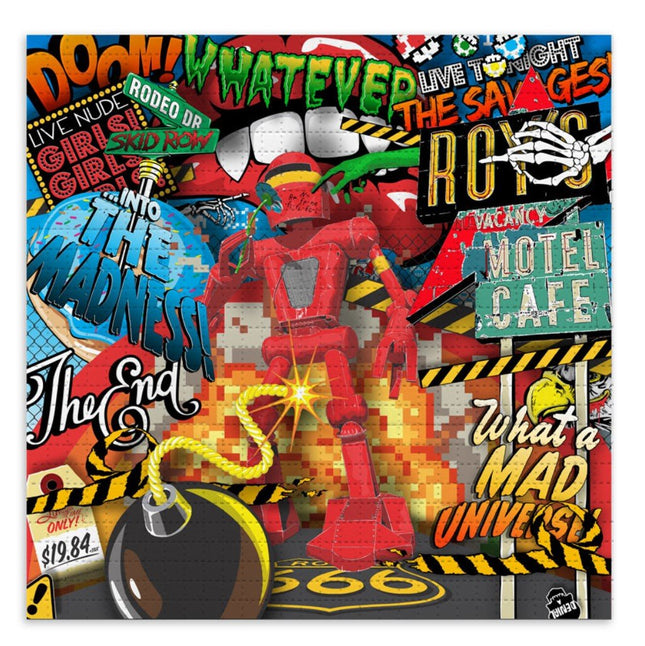
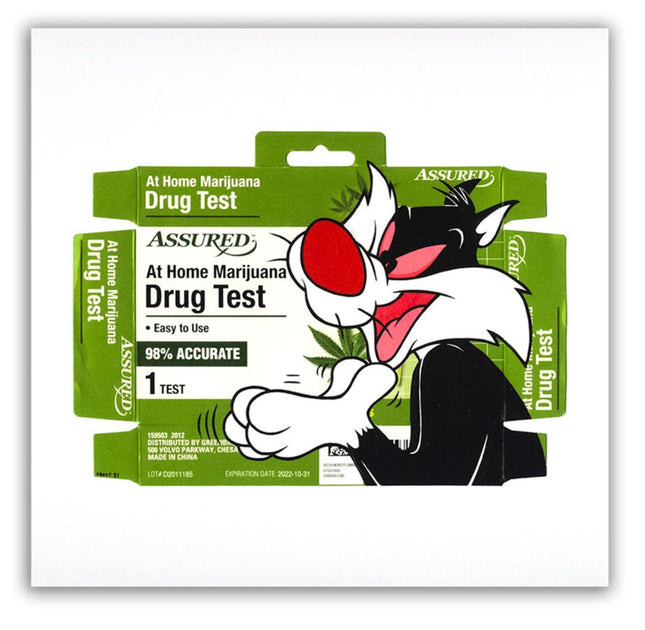
Drugs are also used within the artform to critique the systems that both criminalize and commodify them. Imagery of prescription bottles with exaggerated branding, corporate logos repurposed into pill labels, and characters addicted to cartoonish substances reflect a critique of pharmaceutical and capitalist excess. The contrast between cartoon humor and darker subject matter is a recurring motif used to make statements about addiction, exploitation, and commodified highs. This type of Street Pop Art & Graffiti Artwork is especially potent because it subverts familiar branding, repackaging everyday drug culture with irony and visual punch. It blurs the lines between legal and illegal, medical and recreational, pointing to the hypocrisy and complexity surrounding drug policy and consumer habits.
Symbols of Identity and Survival
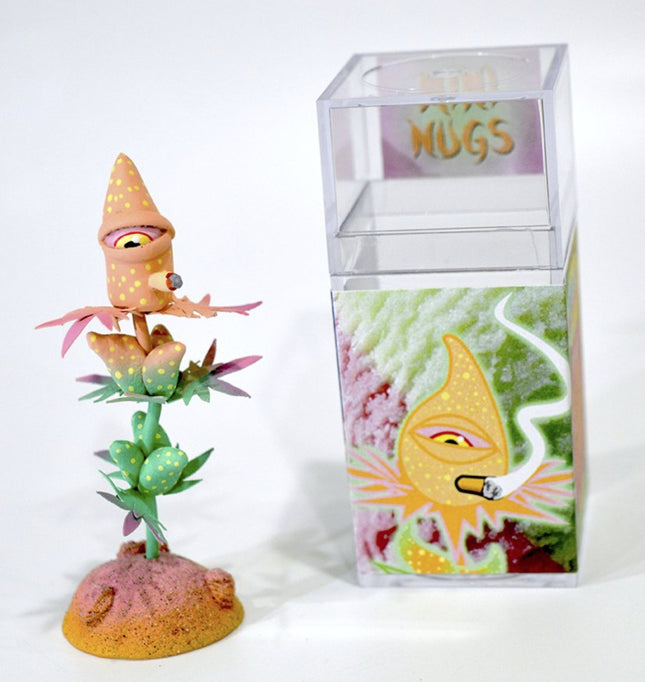
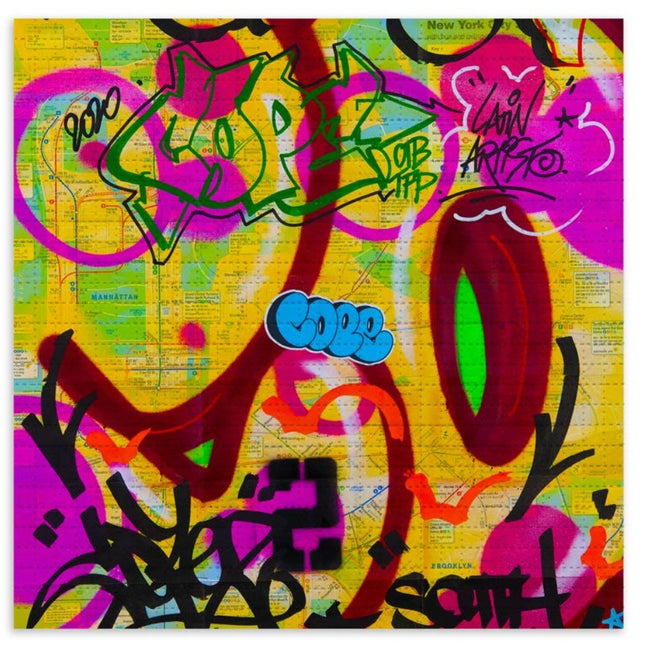
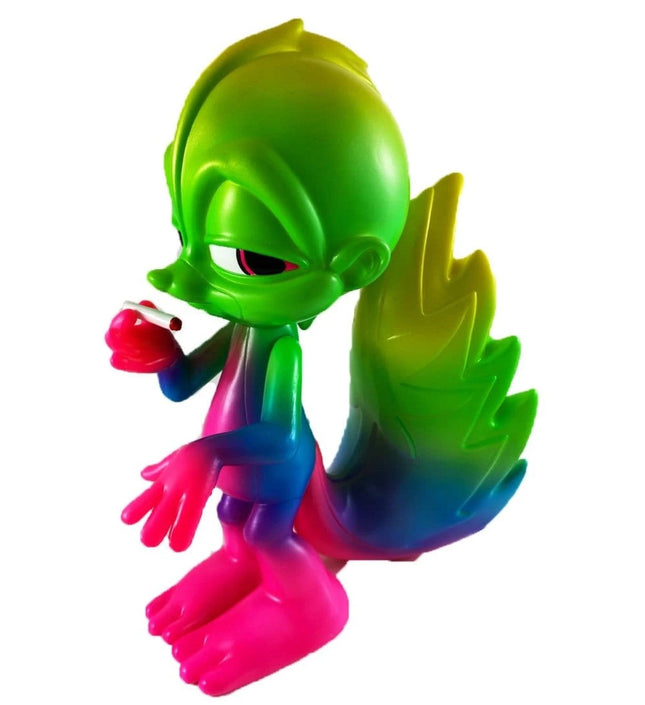
For some artists, drugs are not just a concept but a lived reality embedded in community experience. In marginalized neighborhoods, graffiti frequently becomes a way to document survival, coded through tags, slang, and visual metaphors. Whether referencing crack pipes, mushrooms, pills, or joints, the use of drug symbols is often deeply autobiographical. It represents coping, struggle, and defiance in the face of socio-economic barriers. The streets themselves often carry these stories long before galleries do. When those same symbols are transferred onto silkscreen prints, vinyl figures, or gallery canvases, they carry the weight of their origins. The transition from wall to white cube does not erase the intensity of the message; it amplifies it for new audiences while retaining its raw foundation. In this way, drugs as depicted in Street Pop Art & Graffiti Artwork become tools for storytelling, resistance, satire, and identity in a modern visual language rooted in lived truth.