Drug

3 artworks

  • Mad Hatter Giclee Print by Leslie Ditto

    Leslie Ditto Mad Hatter Giclee Print by Leslie Ditto

    Mad Hatter Artwork Giclee Limited Edition Print on Fine Art Paper by Pop Culture Graffiti Artist Leslie Ditto.

    $217.00

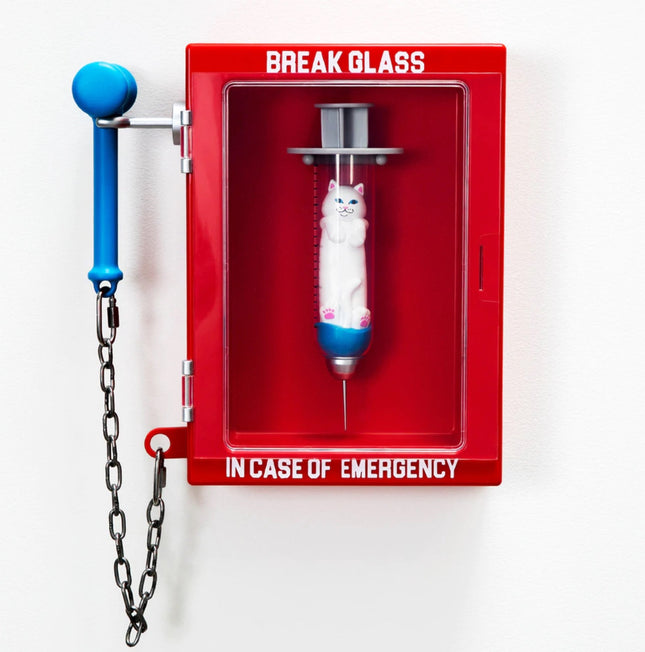
  • In Case of Emergency Art Toy Figure by Rip N Dip

    Rip N Dip In Case of Emergency Art Toy Figure by Rip N Dip

    In Case of Emergency Limited Edition Vinyl Art Toy Collectible Artwork by Modern Pop Culture Artists at Rip N Dip. 2022 Limited Edition 11.5 x 3 x 11 In In Case Of Emergency Figure Clear Plastic Door With Nerm Filled Syringe Hammer Hands-On Side

    $291.00

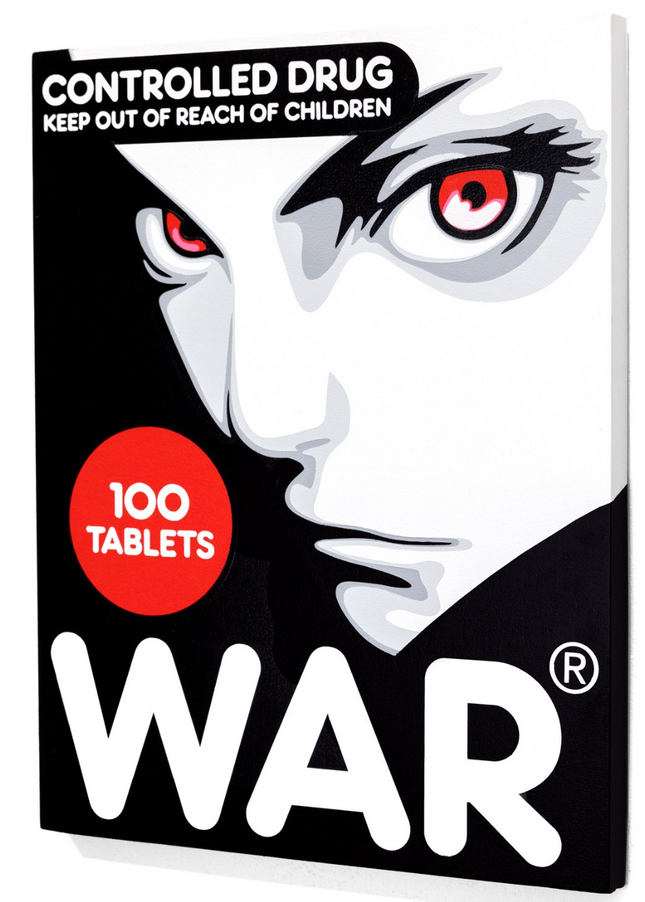
  • War 100 Tablets AP HPM Stencil on Board by Ben Frost

    Ben Frost War 100 Tablets AP HPM Stencil on Board by Ben Frost

    War 100 Tablets AP HPM Stencil on Board by Ben Frost Hand-Painted Multiple Panel Graffiti Street Artist Modern Pop Art. AP Artist Proof 2023 Signed & Marked AP HPM Spray Paint & Acrylic Print Artwork Size 11x14 (Total Run of 10 + 2AP) Ben Frost's Artistic Commentary The "War 100 Tablets AP HPM Stencil on Board" by Ben Frost is a provocative piece that epitomizes modern pop art's daring and often subversive nature. Created as a hand-painted multiple (HPM) and a part of a limited edition series, this work reflects the artist's critical eye on societal issues, employing a combination of stencil artistry, spray paint, and acrylic techniques to render his vision on an 11x14 inch board. Frost's piece is bold in its aesthetic and message, immediately capturing attention with the stark contrast of the black and white imagery juxtaposed with the striking red accents. The presence of the word "WAR" in capital letters alongside the words "CONTROLLED DRUG" and "KEEP OUT OF REACH OF CHILDREN" suggests a powerful commentary on the nature of conflict and the pharmaceutical industry's role in society. As an Artist Proof (AP) in 2023, it is marked distinct from the total run of 10 with an additional 2 APs, signifying its rarity and the artist's direct involvement in its creation. Techniques and Style Frost is renowned for his street pop art and graffiti artwork, which often utilizes the visual language of advertising and consumerism to explore deeper themes. The "War 100 Tablets" is a clear example of this, as it mimics the look of a medication box, suggesting that war is being 'sold' to the public much like any over-the-counter drug. The stencil technique used by Frost is a hallmark of street art, allowing for sharp, precise lines often associated with mass-produced items, further emphasizing the piece's commentary on commercialism. The artist's use of spray paint and acrylic lends the work a textured, layered look characteristic of graffiti art. This blend of materials and techniques is a deliberate choice by Frost to blur the lines between high art and street art, creating a piece that is accessible yet complex, with a finish that invites closer inspection. Cultural Impact and Collectibility Frost's "War 100 Tablets" is a visually striking piece and a collectible item within the art community. The limited number of panels produced, coupled with the hand-painted aspect, ensures that each piece within the series is unique. The AP designation indicates that the artist kept this piece as proof, marking it as an essential part of the edition's history. Collectors and enthusiasts of street pop art and graffiti artwork are often drawn to such pieces for their cultural relevance, investment potential, and as a means of supporting the arts. Frost's wWithical edge and contemporary style appeal to Frost's work to those looking to own art that speaks to the zeitgeist of the current era. Legacy and Influence Ben Frost's work, including "War 100 Tablets," contributes to the ongoing dialogue about the intersection of art, commerce, and social issues. By bringing the techniques and styles of street art into a fine art context, he challenges preconceived notions about the value and message of graffiti and street pop art. The artist's signature on the piece is a testament to its authenticity and his reputation in the art world, ensuring that it will remain a significant work for years to come. The "War 100 Tablets AP HPM Stencil on Board" by Ben Frost is a poignant critique of modern society, utilizing the visual strategies of street pop art and graffiti artwork to engage with contemporary issues. Its creation as a hand-painted multiple adds to its exclusivity and allure, marking it as a significant piece within the modern pop art movement and a valuable collector's item. Frost's astute blend of accessible art forms with nuanced social commentary ensures his work remains relevant and thought-provoking, inviting viewers to question and contemplate the world around them.

    $1,898.00

Drug Graffiti Street Pop Art

Drugs in Street Pop Art & Graffiti Artwork

The presence of drugs as a subject in Street Pop Art & Graffiti Artwork has long functioned as a powerful cultural mirror reflecting society’s fascination, fear, rebellion, and addiction. From the early days of underground zines and subway graffiti to the polished editions found in pop art galleries today, references to drugs appear both overtly and symbolically. Artists use imagery related to pills, joints, syringes, tabs, powder, and pills not simply to glorify or condemn, but to interrogate deeper themes of escapism, social decay, counterculture, and altered consciousness. The chaotic relationship between drugs and modern life is encoded in the iconography of urban visual art where it serves as both an artistic medium and subject matter. Whether painted on a train car or framed in a fine art print run, the visual language of drugs serves as a lens through which reality is distorted and reexamined.

Psychedelia and Synthetic Expression

The impact of substances like LSD, MDMA, and psilocybin can be seen in the vibrant, psychedelic aesthetics that are central to many Street Pop Art & Graffiti Artwork pieces. Fluid linework, hallucinatory characters, and overstimulated palettes reference the warped realities experienced during drug use. The graphic interpretations of these altered states serve to visually manifest the feelings of euphoria, detachment, or fragmentation that define many chemical journeys. Artists such as Buff Monster and Ron English have used stylized characters and acid-toned color schemes to invoke the sense of fantasy and disarray associated with drug-fueled perception. These visuals are not accidental—they are engineered to evoke chemical influence, a warped mirror of the mental environments that drugs can create. In this way, the work does not simply depict drugs but functions as a surrogate experience of their effects.

Critique and Commodification

Drugs are also used within the artform to critique the systems that both criminalize and commodify them. Imagery of prescription bottles with exaggerated branding, corporate logos repurposed into pill labels, and characters addicted to cartoonish substances reflect a critique of pharmaceutical and capitalist excess. The contrast between cartoon humor and darker subject matter is a recurring motif used to make statements about addiction, exploitation, and commodified highs. This type of Street Pop Art & Graffiti Artwork is especially potent because it subverts familiar branding, repackaging everyday drug culture with irony and visual punch. It blurs the lines between legal and illegal, medical and recreational, pointing to the hypocrisy and complexity surrounding drug policy and consumer habits.

Symbols of Identity and Survival

For some artists, drugs are not just a concept but a lived reality embedded in community experience. In marginalized neighborhoods, graffiti frequently becomes a way to document survival, coded through tags, slang, and visual metaphors. Whether referencing crack pipes, mushrooms, pills, or joints, the use of drug symbols is often deeply autobiographical. It represents coping, struggle, and defiance in the face of socio-economic barriers. The streets themselves often carry these stories long before galleries do. When those same symbols are transferred onto silkscreen prints, vinyl figures, or gallery canvases, they carry the weight of their origins. The transition from wall to white cube does not erase the intensity of the message; it amplifies it for new audiences while retaining its raw foundation. In this way, drugs as depicted in Street Pop Art & Graffiti Artwork become tools for storytelling, resistance, satire, and identity in a modern visual language rooted in lived truth.

Footer image

© 2025 Sprayed Paint Art Collection,

    • Amazon
    • American Express
    • Apple Pay
    • Bancontact
    • Diners Club
    • Discover
    • Google Pay
    • iDEAL
    • Mastercard
    • PayPal
    • Shop Pay
    • Visa

    Login

    Forgot your password?

    Don't have an account yet?
    Create account