Drug

6 artworks

  • Yogi on Xanax- Black Silkscreen Print by Ben Frost

    Ben Frost Yogi on Xanax- Black Silkscreen Print by Ben Frost

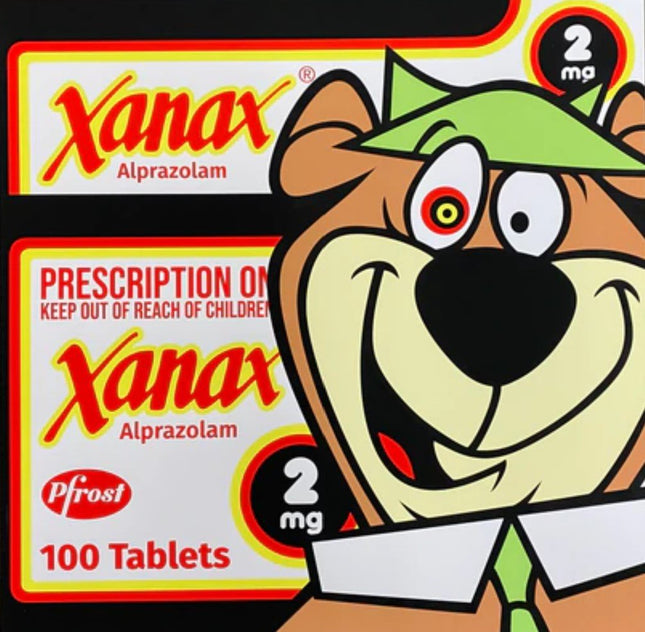
    Yogi on Xanax- Black 7-Color Hand-Pulled Limited Edition Silkscreen Print on Mohawk Superfine UltraWhite Paper by Ben Frost Rare Street Art Famous Pop Artwork Artist. 2022 Signed & Numbered Ben Frost Yogi on Xanax, 7-color Hand-Pulled Screen Print on Mohawk Superfine UltraWhite, 160 lb Cover 24 x24 in., 61 x 61 cm Edition of 25, signed & numbered by the artist Printed by POP!NK Editions Yogi on Xanax by Ben Frost – Pop Culture Intervention in Street Pop Art & Graffiti Artwork Yogi on Xanax is a 2022 limited edition 7-color hand-pulled silkscreen print by Australian-born artist Ben Frost, printed on 160 lb Mohawk Superfine UltraWhite cover paper. Measuring 24 x 24 inches, this silkscreen print was produced in a signed and numbered edition of just 25, crafted under the direction of POP!NK Editions. Known for his subversive blending of pop culture icons with controversial subject matter, Frost delivers a provocative image that fuses the innocence of Yogi Bear with the cold design language of a pharmaceutical Xanax label. This juxtaposition forces a confrontation between humor and critique, childhood nostalgia and chemical dependency, all while maintaining the graphic vibrancy and clean execution that define his studio practice. The piece is bold, glossy, and ironic—designed to trigger recognition and unsettle the viewer simultaneously. Pharmaceutical Satire and Cartoon Familiarity Collide Ben Frost’s work routinely challenges the sanitized narratives of consumer branding and media imagery. In Yogi on Xanax, the use of Yogi Bear—an animated figure associated with carefree antics and childhood television—is purposefully misaligned with the clinical, regulated world of prescription medication. The cheerful cartoon smile and brightly saturated colors stand in contrast to the red-labeled warnings and dosage marks of Xanax packaging. The artwork explores themes of escapism, emotional suppression, and the commercialization of health, suggesting that even the most innocent symbols are not immune to societal pressures. Frost’s treatment of iconography reflects the strategies central to Street Pop Art & Graffiti Artwork, where visual language is repurposed to expose hidden truths and cultural contradictions. Printing Technique, Surface Quality, and Material Precision Executed with precision on Mohawk Superfine UltraWhite paper, the 7-color silkscreen process ensures that every layer of ink sits cleanly atop the surface, producing striking contrast and tonal balance. This heavy-weight paper enhances the density of color and preserves the integrity of each line and text detail. The silkscreen technique, a mainstay of pop art production since the era of Andy Warhol, allows Frost to replicate the flat commercial style of packaging design while embedding it with sharp conceptual tension. Each print is signed and hand-numbered, reinforcing its collectibility and placing it within the canon of fine-edition Street Pop Art & Graffiti Artwork. POP!NK Editions’ involvement in the production guarantees a gallery-level standard of finish, ensuring that each print is not only conceptually rich but also technically flawless. Ben Frost’s Cultural Commentary Through Brand Distortion Ben Frost continues to push the boundaries of what pop imagery can convey in a critical, ironic, and visually arresting format. Yogi on Xanax operates on multiple levels—as parody, as product, and as visual disruption. It pulls from the mass media archive and reintroduces familiar icons with new, unsettling associations. This is central to the strategy of Street Pop Art & Graffiti Artwork, where repetition, appropriation, and recontextualization are not just aesthetic choices but radical acts. By placing a figure like Yogi Bear in the frame of medical necessity and emotional regulation, Frost questions how society assigns meaning and value to images. His art reflects a world where cartoons sell pills and pills sell calm, a world where branding and identity collapse into one unified surface. Yogi on Xanax is not just pop art—it is a sharp and unapologetic reflection of contemporary visual culture.

    $1,500.00

  • Yogi on Xanax Silkscreen Print by Ben Frost

    Ben Frost Yogi on Xanax Silkscreen Print by Ben Frost

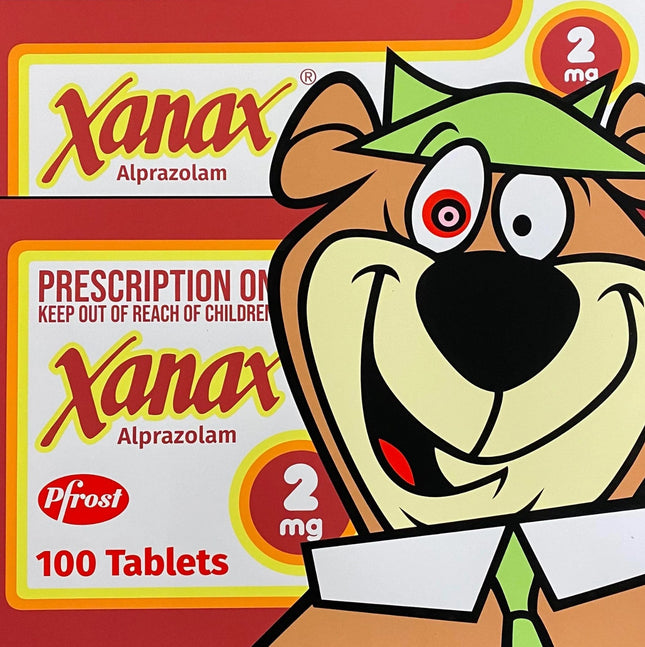
    Yogi on Xanax 9-Color Hand-Pulled Limited Edition Silkscreen Print on Mohawk Superfine UltraWhite Paper by Ben Frost Rare Street Art Famous Pop Artwork Artist. 2022 Signed & Numbered Ben Frost Yogi on Xanax, 9-color Hand-Pulled Screen Print on Mohawk Superfine UltraWhite, 160 lb Cover 24 x24 in., 61 x 61 cm Edition of 50, signed & numbered by the artist Printed by POP!NK Editions Yogi on Xanax by Ben Frost – Consumer Critique in Street Pop Art & Graffiti Artwork Yogi on Xanax is a 2022 limited edition 9-color hand-pulled screen print by contemporary Australian artist Ben Frost, printed on 160 lb Mohawk Superfine UltraWhite cover stock in a 24 x 24 inch format. Signed and numbered in an edition of 50, this bold silkscreen work was produced by POP!NK Editions, renowned for their meticulous craftsmanship in contemporary art print production. The piece combines pharmaceutical packaging design with nostalgic cartoon imagery to produce a visually explosive and conceptually loaded commentary on modern consumer culture. Frost inserts the wide-eyed face of Yogi Bear into the unmistakable layout of a Xanax prescription label, transforming an innocent animated figure into a symbol of medication culture, psychological sedation, and branded addiction. Pharma Design Meets Cartoon Chaos Ben Frost is internationally known for his provocative use of pop culture iconography, and Yogi on Xanax exemplifies his strategy of visual collision. The imagery reappropriates the familiar Xanax box, typically associated with clinical calm, and injects it with the erratic energy of Yogi Bear’s wide grin and hypnotic spiral eye. The polished pharmaceutical layout clashes with the expressive cartoon illustration, creating a moment of visual and conceptual tension. Frost’s technique exposes the strange intersection between happiness, dependence, and entertainment. By overlaying humor onto something serious, he invites viewers to question how commercial products—from children's cartoons to anxiety medications—are embedded into cultural behavior and identity. This blend of absurdity and critique is central to Street Pop Art & Graffiti Artwork, where language and imagery from mass culture are subverted for public commentary. Material Precision and Production Integrity The print’s execution on Mohawk Superfine UltraWhite paper ensures a pristine, high-fidelity surface that supports the layered ink of the 9-color silkscreen process. The heavyweight 160 lb cover stock provides durability and a gallery-quality finish, elevating the piece from poster to collectible artwork. Each color is individually hand-pulled, resulting in rich, solid applications that enhance the saturation and intensity of Frost’s bold graphics. The print’s 24 x 24 inch dimensions offer a perfect square composition, aligning the clinical symmetry of packaging design with the oversized personality of Yogi Bear’s warped cartoon form. Frost’s decision to preserve the integrity of the Xanax design while inserting his own subversive visuals makes this work a standout example of pop art precision with street-level satire. Ben Frost and the Visual Language of Commercial Rebellion Ben Frost continues to be a defining voice in Street Pop Art & Graffiti Artwork, using the language of branding, packaging, and iconography to reflect the contradictions of contemporary life. In Yogi on Xanax, he exploits the comfort of nostalgia to highlight uncomfortable truths. The cartoon becomes the messenger for a culture that medicates joy and aestheticizes control. Frost’s unique visual style—bold lines, saturated colors, and razor-sharp layout—presents a clear but distorted mirror to viewers, forcing them to reconcile the ridiculous with the real. His work does not ask for passive admiration; it demands a response. Yogi on Xanax stands as a satirical totem of consumer anxiety, wrapped in packaging that feels as familiar as it is jarring. This print does not just exist in the world of contemporary pop—it defines what it looks like when pop turns critical.

    $917.00

  • Skate or Diet Oversized Archival Print by Denial- Daniel Bombardier

    Denial- Daniel Bombardier Skate or Diet Oversized Archival Print by Denial- Daniel Bombardier

    Skate or Diet- Oversized Archival Pigment Fine Art Limited Edition Print on 290gsm Moab Entrada Paper by Modern Pop Street Graffiti Artist Denial. 2021 Signed & Numbered Archival Pigment Print on 290gsm Moab Entrada Fine Art Paper Size: 24 x 36 Inches Release: November 04, 2021 Run of: 25 Minor Handling Creases The media and means used by the artist vary from aerosol spray painting to printmaking and from sculpturing to wood creations. The thematic of his works is equally diverse and extends from critiquing capitalism and major brands to mocking conspiracy

    $493.00

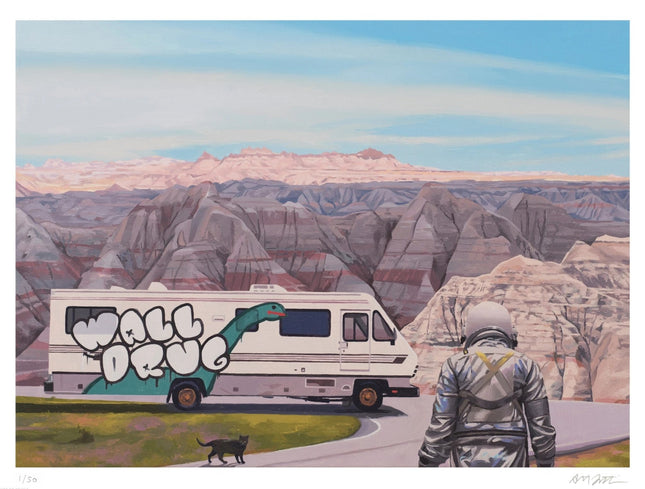
  • Wall Drug Archival Print by Scott Listfield

    Scott Listfield Wall Drug Archival Print by Scott Listfield

    Wall Drug Limited Edition Fine Archival Pigment Print on Fine Art Paper by Graffiti Street Art and Pop Culture Artist Scott Listfield. Wall Drug • Autographed archival pigment print • Printed on Moab Entrada Rag Bright 290 GSM archival paper • 18 x 24 inches Hand-signed and numbered by artist Scott Listfield in a limited edition of 50 House of Roulx blind embossed stamping • Authentic Edition rubber stamp on verso • Letter of Authenticity

    $495.00

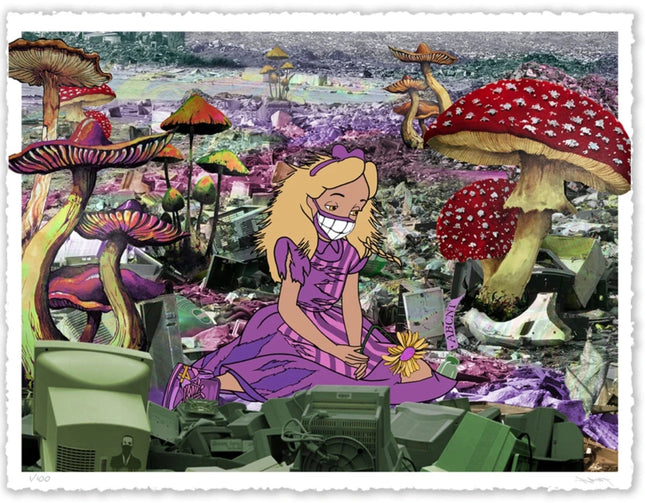
  • Alice in Wasteland Acid Archival Print by ABCNT

    ABCNT Alice in Wasteland Acid Archival Print by ABCNT

    Alice in Wasteland- Acid Limited Edition Archival Pigment Fine Art Prints on 330gsm Cotton Rag Museum Archival Paper by Graffiti Street Art and Pop Culture Artist ABCNT. ABCNT x Silent Stage Gallery Alice in Wasteland Fine Art Print "Acid" Edition Edition of 100 Print Measures 18″ x 24″ (approx.) 330 gsm cotton rag museum archival paper Hand Deckled...

    $226.00

  • Like Candy PP Archival Print by Leon Keer

    Leon Keer Like Candy PP Archival Print by Leon Keer

    Like Candy Limited Edition Archival Pigment Print Transfer on Laser Cut Archival Foam Core Board by Modern Pop Street Graffiti Artist Leon Keer. PP Printers Proof 2019 Marked PP Archival Pigment Print Transfer on Laser Cut Archival Foam Core Board Size: 24 x 18.625 x .25 Inches Release: June 18, 2019- Slight on the upper extreme edge and another on the rear lower left facing side that can really only be seen from above or behind. "I created this painting to talk about the over-prescription of pain management drugs and false assumption about the effectiveness of medicine, caused a worldwide abuse of and addiction to painkillers such as Vicodin." - Leon Keer. Interpreting Leon Keer's Message Leon Keer's "Like Candy" is a provocative piece of Street Pop Art and graffiti Artwork, symbolic of the genre's power to comment on social issues. Created in 2019 and marked as a Printers Proof (PP), this archival pigment print transfer on laser-cut archival foam core board is a stark reminder of the darker side of medication in modern society. Sized at 24 x 18.625 x .25 inches and released on June 18, 2019, it's noteworthy for a slight imperfection: a barely visible nick to the upper left-facing corner, which, rather than detracting, adds a layer of authenticity to the work. Keer's creation is more than a visual treat; it's a critical commentary on the healthcare industry's frivolous distribution of potent medications. By juxtaposing the addictive nature of painkillers like Vicodin against the innocent imagery of candy, Keer draws a parallel to the deceptive allure of these drugs. The artwork's title, "Like Candy," underscores the ease with which such medications can be obtained and consumed, often with little thought to the consequences. Keer explicitly mentions his intent to spotlight the over-prescription of pain management drugs and the mistaken beliefs surrounding their effectiveness, which has fueled a global crisis of abuse and addiction. Artistic Expression and Social Commentary Keer's methodology incorporates traditional elements of street art with modern techniques, resulting in a piece that is both aesthetically pleasing and deeply thought-provoking. His choice of medium—archival pigment print transfer on laser-cut archival foam core board—reflects a contemporary edge, aligning with the innovative spirit of street and pop art. The three-dimensional aspect of the laser-cut foam adds depth to the piece, further emphasizing the layers of meaning behind the façade of pharmaceutical consumption. The artwork, while visually aligned with the playful nature of street art, carries a sad message that resonates with a broad audience, transcending the boundaries of conventional graffiti artwork. The Impact of "Like Candy" In Street Pop Art and graffiti Artwork, Leon Keer's "Like Candy" is a powerful conversation starter. It's an artwork that doesn't just sit quietly on the wall; it challenges viewers to reconsider their perceptions of medicine. It acts as a mirror to society's often casual treatment of prescription drugs, contrasting the colorful, child-like appeal of candy with the severe implications of medication misuse. Keer's art reflects his mastery of the pop art aesthetic and demonstrates the potential of street art to effect change and provoke discussion about pressing societal issues. Reflection on the Pharmaceutical Industry Keer's artwork is a scathing critique of the pharmaceutical industry's role in the epidemic of drug dependency. Keer cleverly subverts our expectations by transferring the image of gummy candies, which are typically associated with sweetness and pleasure, onto a medium that suggests prescription medication. The artwork raises questions about the responsibility of drug companies in the opioid crisis and the ease with which powerful drugs are marketed and distributed. "Like Candy" is a poignant reminder that what may be sold as a panacea can sometimes become a peril, a statement that echoes through the halls of modern Street Pop Art and graffiti Artwork. "Like Candy" is a testament to Leon Keer's artistic skill and his commitment to using art as a means of social commentary. With its thoughtful construction and impactful message, it remains a significant piece within contemporary art discourse. As with many great works of Street Pop Art and graffiti Artwork, it bridges the gap between aesthetic appeal and social consciousness, proving that art can be beautiful and a bearer of important messages. This piece stands out as a poignant reflection on an issue affecting millions worldwide, ensuring its relevance for years.

    $539.00

Drug Graffiti Street Pop Art

Drugs in Street Pop Art & Graffiti Artwork

The presence of drugs as a subject in Street Pop Art & Graffiti Artwork has long functioned as a powerful cultural mirror reflecting society’s fascination, fear, rebellion, and addiction. From the early days of underground zines and subway graffiti to the polished editions found in pop art galleries today, references to drugs appear both overtly and symbolically. Artists use imagery related to pills, joints, syringes, tabs, powder, and pills not simply to glorify or condemn, but to interrogate deeper themes of escapism, social decay, counterculture, and altered consciousness. The chaotic relationship between drugs and modern life is encoded in the iconography of urban visual art where it serves as both an artistic medium and subject matter. Whether painted on a train car or framed in a fine art print run, the visual language of drugs serves as a lens through which reality is distorted and reexamined.

Psychedelia and Synthetic Expression

The impact of substances like LSD, MDMA, and psilocybin can be seen in the vibrant, psychedelic aesthetics that are central to many Street Pop Art & Graffiti Artwork pieces. Fluid linework, hallucinatory characters, and overstimulated palettes reference the warped realities experienced during drug use. The graphic interpretations of these altered states serve to visually manifest the feelings of euphoria, detachment, or fragmentation that define many chemical journeys. Artists such as Buff Monster and Ron English have used stylized characters and acid-toned color schemes to invoke the sense of fantasy and disarray associated with drug-fueled perception. These visuals are not accidental—they are engineered to evoke chemical influence, a warped mirror of the mental environments that drugs can create. In this way, the work does not simply depict drugs but functions as a surrogate experience of their effects.

Critique and Commodification

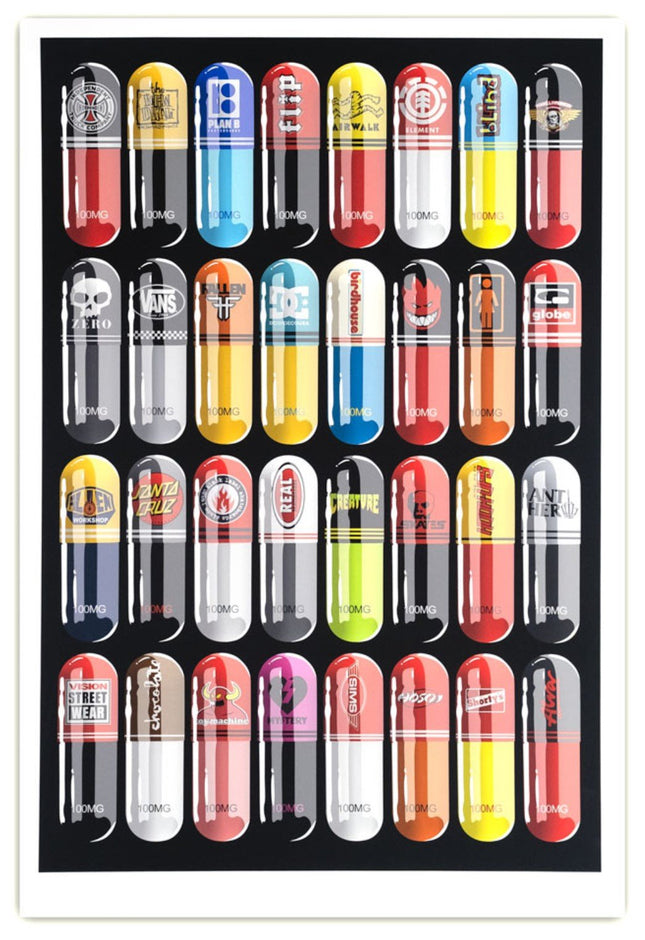
Drugs are also used within the artform to critique the systems that both criminalize and commodify them. Imagery of prescription bottles with exaggerated branding, corporate logos repurposed into pill labels, and characters addicted to cartoonish substances reflect a critique of pharmaceutical and capitalist excess. The contrast between cartoon humor and darker subject matter is a recurring motif used to make statements about addiction, exploitation, and commodified highs. This type of Street Pop Art & Graffiti Artwork is especially potent because it subverts familiar branding, repackaging everyday drug culture with irony and visual punch. It blurs the lines between legal and illegal, medical and recreational, pointing to the hypocrisy and complexity surrounding drug policy and consumer habits.

Symbols of Identity and Survival

For some artists, drugs are not just a concept but a lived reality embedded in community experience. In marginalized neighborhoods, graffiti frequently becomes a way to document survival, coded through tags, slang, and visual metaphors. Whether referencing crack pipes, mushrooms, pills, or joints, the use of drug symbols is often deeply autobiographical. It represents coping, struggle, and defiance in the face of socio-economic barriers. The streets themselves often carry these stories long before galleries do. When those same symbols are transferred onto silkscreen prints, vinyl figures, or gallery canvases, they carry the weight of their origins. The transition from wall to white cube does not erase the intensity of the message; it amplifies it for new audiences while retaining its raw foundation. In this way, drugs as depicted in Street Pop Art & Graffiti Artwork become tools for storytelling, resistance, satire, and identity in a modern visual language rooted in lived truth.

Footer image

© 2025 Sprayed Paint Art Collection,

    • Amazon
    • American Express
    • Apple Pay
    • Bancontact
    • Diners Club
    • Discover
    • Google Pay
    • iDEAL
    • Mastercard
    • PayPal
    • Shop Pay
    • Visa

    Login

    Forgot your password?

    Don't have an account yet?
    Create account