Drug

2 artworks

  • Kush XL 6in The Prisoner Drug Bear Art Toy by Luke Chueh

    Luke Chueh Kush XL 6in The Prisoner Drug Bear Art Toy by Luke Chueh

    Kush XL 6in The Prisoner Flocked Drug Bear Art Toy by Luke Chueh Kickstarter Limited Edition Vinyl Collectible Artwork by Street Graffiti Artist. 2018 Limited Edition Artwork of 93 with Cotton, Bag, and Tube. Based on Luke Chueh's original painting, The Prisoner ponders captivity in its many forms: physical, mental, or pharmaceutical. Ultra Rare Kickstarter Exclusive Extra Large XL 6 Inch Edition. Kush XL 6in The Prisoner Drug Bear by Luke Chueh: Sculpting Emotional Confinement in Street Pop Art & Graffiti Artwork Kush XL 6in The Prisoner Drug Bear by Luke Chueh is a 2018 Kickstarter exclusive collectible, limited to just 93 pieces worldwide. This rare extra-large vinyl edition transforms Chueh’s signature bear into a more physically imposing yet equally vulnerable presence. At six inches tall and flocked in vibrant green, the figure sits hunched and withdrawn, arms wrapped tightly around its knees, tucked into a gesture of protective silence. This version is packaged inside a deep green prescription-style plastic tube, labeled under the fictional strain Kuma OG. Accompanied by a cotton-lined pouch and official labeling, the toy carries the visual weight of both clinical control and emotional solitude. As a part of the wider Prisoner series, this XL edition expands Luke Chueh’s ongoing critique of psychological and pharmaceutical confinement through the visual language of Street Pop Art & Graffiti Artwork. Material and Scale as Tools of Conceptual Impact The use of scale in the Kush XL version heightens the emotional potency of the figure. Unlike the smaller editions, which evoke delicacy and intimacy, this larger size commands more physical space, forcing viewers to confront the quiet suffering it represents. The flocked green surface adds a layer of visual contradiction, inviting touch while symbolizing the lush appearance of calm that often hides distress. The presentation in a prescription tube references the aesthetics of cannabis dispensaries and pharmaceutical packaging, placing the bear in the middle of society’s ongoing conversation about medication, trauma management, and alternative therapy. The prescription-style label contextualizes the bear as both patient and product, surrounded by the implied control of dosage, labeling, and clinical oversight. Within Street Pop Art & Graffiti Artwork, this kind of object challenges assumptions about what healing looks like and critiques the systems that monetize emotional relief. Luke Chueh and the Emotional Vocabulary of Toy-Based Street Pop Art Luke Chueh is a California-based artist known for using deceptively simple characters to convey deeply nuanced emotional states. His bear, a now-iconic symbol within his work, is never neutral. Whether painted or sculpted, it is always in the middle of a silent, internal dialogue. The Prisoner figure exemplifies Chueh’s practice of using posture, minimalism, and context to explore themes like depression, anxiety, addiction, and isolation. The Kush XL edition does not stray from these themes; rather, it amplifies them through texture and size. Chueh’s work belongs firmly within the Street Pop Art & Graffiti Artwork canon, not only for its visual accessibility but also for its bold engagement with contemporary mental health struggles. The bear is at once relatable and haunting, caught between comfort and despair, between treatment and dependency. The Prisoner as a Sculptural Statement on Mental Health and Control Kush XL 6in The Prisoner is more than a collectible art toy—it is a sculptural representation of cultural truth. Limited to just 93 Kickstarter-exclusive editions, it holds significant value for collectors, not only due to its rarity but because of its raw, unfiltered emotional messaging. The packaging is not ornamental. It is part of the narrative, reinforcing the figure’s status as a symbol of medicated containment. The green colorway and dispensary-themed label introduce a layered commentary about the growing normalization of cannabis as both relief and crutch, expanding Chueh’s critique beyond pharmaceuticals alone. Within Street Pop Art & Graffiti Artwork, the figure functions like a street mural in miniature form—portable, powerful, and socially conscious. With this XL edition, Luke Chueh elevates designer toys into platforms for mental health discourse, using vinyl, flocking, and form to hold a mirror to both personal vulnerability and systemic response.

    $750.00

  • Tech Resin AP Artist Proof Art Toy Sket One x SipLean

    Sket-One Tech Resin AP Artist Proof Art Toy Sket One x SipLean

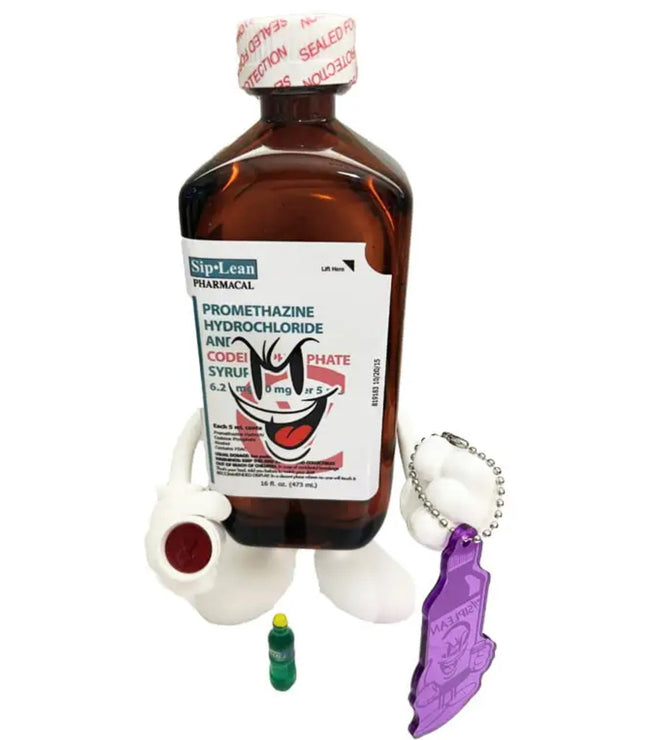
    Tech Resin AP Artist Proof Resin Limited Edition Art Toy Sculpture Collectible Artwork by Pop Modern Artist Sket One x SipLean. AP Artist Proof 2022 Limited Edition of 5 New In Box Signed & Marked Artwork Size 5x8.5 "SIPLEAN X SKET ONE TECH RESIN FIGURE AP’s Only 5 available Figure features a removable cup with posable arms and comes in the cardboard coffin. Mini Resin Sprite Bottle and Acrylic Siplean Keychain Limited to 5 signed & numbered pieces" -Sket One

    $757.00

Drug Graffiti Street Pop Art

Drugs in Street Pop Art & Graffiti Artwork

The presence of drugs as a subject in Street Pop Art & Graffiti Artwork has long functioned as a powerful cultural mirror reflecting society’s fascination, fear, rebellion, and addiction. From the early days of underground zines and subway graffiti to the polished editions found in pop art galleries today, references to drugs appear both overtly and symbolically. Artists use imagery related to pills, joints, syringes, tabs, powder, and pills not simply to glorify or condemn, but to interrogate deeper themes of escapism, social decay, counterculture, and altered consciousness. The chaotic relationship between drugs and modern life is encoded in the iconography of urban visual art where it serves as both an artistic medium and subject matter. Whether painted on a train car or framed in a fine art print run, the visual language of drugs serves as a lens through which reality is distorted and reexamined.

Psychedelia and Synthetic Expression

The impact of substances like LSD, MDMA, and psilocybin can be seen in the vibrant, psychedelic aesthetics that are central to many Street Pop Art & Graffiti Artwork pieces. Fluid linework, hallucinatory characters, and overstimulated palettes reference the warped realities experienced during drug use. The graphic interpretations of these altered states serve to visually manifest the feelings of euphoria, detachment, or fragmentation that define many chemical journeys. Artists such as Buff Monster and Ron English have used stylized characters and acid-toned color schemes to invoke the sense of fantasy and disarray associated with drug-fueled perception. These visuals are not accidental—they are engineered to evoke chemical influence, a warped mirror of the mental environments that drugs can create. In this way, the work does not simply depict drugs but functions as a surrogate experience of their effects.

Critique and Commodification

Drugs are also used within the artform to critique the systems that both criminalize and commodify them. Imagery of prescription bottles with exaggerated branding, corporate logos repurposed into pill labels, and characters addicted to cartoonish substances reflect a critique of pharmaceutical and capitalist excess. The contrast between cartoon humor and darker subject matter is a recurring motif used to make statements about addiction, exploitation, and commodified highs. This type of Street Pop Art & Graffiti Artwork is especially potent because it subverts familiar branding, repackaging everyday drug culture with irony and visual punch. It blurs the lines between legal and illegal, medical and recreational, pointing to the hypocrisy and complexity surrounding drug policy and consumer habits.

Symbols of Identity and Survival

For some artists, drugs are not just a concept but a lived reality embedded in community experience. In marginalized neighborhoods, graffiti frequently becomes a way to document survival, coded through tags, slang, and visual metaphors. Whether referencing crack pipes, mushrooms, pills, or joints, the use of drug symbols is often deeply autobiographical. It represents coping, struggle, and defiance in the face of socio-economic barriers. The streets themselves often carry these stories long before galleries do. When those same symbols are transferred onto silkscreen prints, vinyl figures, or gallery canvases, they carry the weight of their origins. The transition from wall to white cube does not erase the intensity of the message; it amplifies it for new audiences while retaining its raw foundation. In this way, drugs as depicted in Street Pop Art & Graffiti Artwork become tools for storytelling, resistance, satire, and identity in a modern visual language rooted in lived truth.

Footer image

© 2025 Sprayed Paint Art Collection,

    • Amazon
    • American Express
    • Apple Pay
    • Bancontact
    • Diners Club
    • Discover
    • Google Pay
    • iDEAL
    • Mastercard
    • PayPal
    • Shop Pay
    • Visa

    Login

    Forgot your password?

    Don't have an account yet?
    Create account