He-Man MOTU

1 artwork

  • Sale -15% He-Man & Battle Cat MOTU Art Toy Sculpture by Madsaki

    Madsaki He-Man & Battle Cat MOTU Art Toy Sculpture by Madsaki

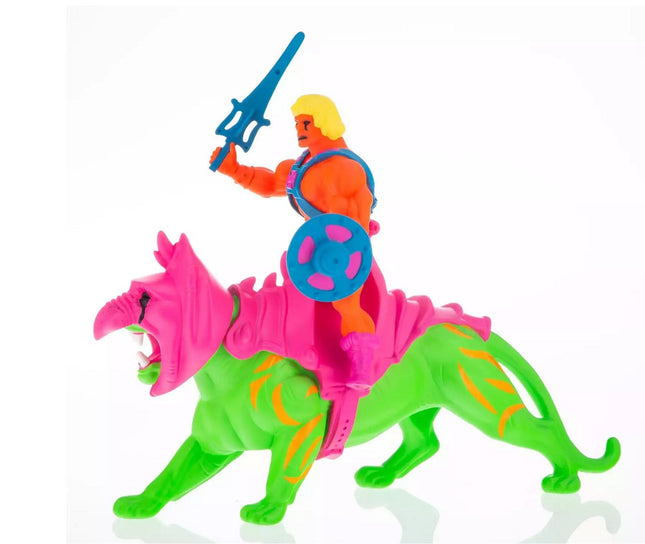
    He-Man & Battle Cat Limited Edition Vinyl Art Toy Collectible Artwork by street graffiti artist Madsaki x MOTU. 2020 Madsaki and Mattel Creations teamed up to create these exclusive Madsaki x Masters of the Universe HE-MAN and BATTLE CAT Figures. The sculpture stands 16.75 inches tall. MADSAKI and MATTEL CREATIONS team up to create this exclusive and iconic drop-a scaled down re-creation of the larger-than-life HE-MAN® and BATTLE CAT® sculpture that turned the heads of fans and art critics alike as a centerpiece of MADSAKI'S "1984" solo exhibition at Tokyo's Kaikai Kiki Gallery in 2020. Measuring 17 inches tall and sculpted in an 80's cartoon style with a spray of jaw dropping modern-day street-style graffiti artwork, we proudly présent the most famous hero in all of Eternia", HE-MAN and the ferocious BATTLE CAT® in a manner that truly blurs the lines between toy and art masterpiece. Each sculpture includes a hand-signed certificate of authenticity from MADSAKI as well as white gloves to better care for your art piece. Displayed With Box MADSAKI x MOTU – He-Man & Battle Cat in Street Pop Art & Graffiti Artwork The He-Man & Battle Cat limited edition vinyl sculpture by MADSAKI, produced in collaboration with Mattel Creations in 2020, is a vivid collision of nostalgia, pop culture, and urban rebellion—an unmistakable contribution to the world of Street Pop Art & Graffiti Artwork. Originally unveiled as a centerpiece at MADSAKI’s 1984 solo exhibition at Tokyo’s Kaikai Kiki Gallery, this scaled-down 17-inch version captures the wild energy of its monumental counterpart while delivering a high-octane dose of '80s cartoon absurdity, rendered in riotous color and graffiti-style flair. With fluorescent green, electric pink, and piercing orange as the dominant palette, the piece transforms two of the most iconic characters from the Masters of the Universe franchise—He-Man and Battle Cat—into contemporary street art figures. Far from being a simple homage, MADSAKI’s version reimagines the figures as avatars of pop mythology filtered through a graffiti artist’s eye. The weaponry, armor, and pose remain true to the original animation aesthetics, but the exaggerated colors and chaotic paint styling push this artwork into a new domain where fine art, vinyl collectible, and graffiti sensibility coexist. Nostalgia Weaponized in Urban Neon MADSAKI’s approach is rooted in remix culture, a cornerstone of Street Pop Art. By appropriating the visual language of childhood—He-Man being one of the most recognized animated heroes of the 1980s—and subjecting it to the visual distortion of neon saturation and aggressive outlines, he elevates kitsch into critique. This isn't just about remembering Saturday morning cartoons. It’s about weaponizing those memories and examining how commercial entertainment shaped identity, masculinity, and fantasy in late capitalist culture. Battle Cat, usually a symbol of strength and raw primal energy, becomes a neon-soaked beast of postmodern absurdity, outfitted in shocking pink and radioactive green. MADSAKI transforms him from a beast of war into a graffiti-coded monument of cultural excess. He-Man, still holding his power sword aloft, looks less like a heroic defender and more like a psychedelic gladiator from the subconscious of a street artist raised on VHS and irony. From Canvas to Vinyl: MADSAKI's Street Pop Mutation MADSAKI is no stranger to remixing icons. Known for his drippy-eyed renditions of Western masterpieces and manga figures, he blends Japanese street sensibilities with New York-style graffiti lineage. His transition into vinyl sculpture with Mattel represents the natural evolution of Street Pop Art—where the gallery wall meets the collectible shelf, and where nostalgia is no longer passive but radicalized. This figure blurs lines between sculpture and street installation. The color choices mimic spray can aesthetics, and the glossy surfaces echo the polish of vinyl murals and toy design. Like KAWS, Sket-One, or Ron English, MADSAKI proves that sculptural vinyl can be a medium of confrontation—not just consumption. The figure comes with a hand-signed certificate and gloves for display, reinforcing its identity as both an artwork and a cultural artifact. MADSAKI’s Place in the Graffiti-Pop Canon MADSAKI’s He-Man & Battle Cat is a definitive artifact of modern Street Pop Art & Graffiti Artwork. It combines satire, technical precision, collectible appeal, and cultural critique. Rather than separating art from toy or low from high, MADSAKI merges all categories into one ferocious drop that challenges the viewer’s nostalgia and their assumptions about what constitutes fine art. This sculpture is not simply fan service—it’s subversion. It transforms childhood heroes into fluorescent avatars of postmodern identity, rendered in the chromatic chaos of graffiti language. By injecting the streets into the plastic skin of global pop icons, MADSAKI cements his place among the artists reshaping visual culture one spray, sculpt, and scream at a time.

    $4,500.00 $3,825.00

He Man MOTU Graffiti Street Pop Art

He-Man MOTU in Street Pop Art & Graffiti Artwork

He-Man and the Masters of the Universe, or MOTU, is a cultural force that continues to influence the aesthetics and messaging of Street Pop Art & Graffiti Artwork decades after its 1980s launch. Originally developed by Mattel as an action figure line supported by animated media, He-Man quickly became more than a children's franchise. The muscular hero, sword raised, shouting power-infused words beneath the looming skulls of Castle Grayskull, symbolized resistance, empowerment, and mythic identity. Artists within the graffiti and pop art community have recognized these attributes and incorporated them into their visual storytelling, transforming commercial imagery into potent expressions of nostalgia, satire, and rebellion.

Appropriation of He-Man Imagery in Contemporary Urban Art

Graffiti artists and street pop artists often repurpose iconic pop culture characters as a means to comment on consumerism, authority, and masculinity. He-Man, as a visual archetype of exaggerated strength and mythic resolve, finds frequent reinterpretation in street murals, wheatpaste posters, stickers, and vinyl sculptures. Artists use his image to either reinforce or undermine traditional heroic tropes, sometimes juxtaposing his fierce presence with vulnerable or absurd contexts. This duality appeals to fans of retro media while inviting deeper examination of the cultural narratives being inherited from corporate entertainment. In large-scale murals or intimate gallery pieces, the sword-wielding warrior of Eternia becomes a powerful symbol of both resistance and irony.

Pop Nostalgia as Commentary in Street Pop Art & Graffiti Artwork

He-Man’s transition from Saturday morning cartoon idol to art icon illustrates how pop nostalgia can be used as a visual weapon. The use of MOTU characters, especially in urban environments, blurs the line between lowbrow entertainment and high-impact cultural critique. Whether adorned with spray tags or reimagined in surreal compositions, He-Man and his nemesis Skeletor represent the collision of fantasy and reality, and this blend resonates in spaces where youth culture and counterculture merge. Street artists working with MOTU themes often highlight themes of power, transformation, and duality—echoing the same messages that resonated with children watching the animated series, but now recontextualized for a postmodern audience.

Legacy and Continued Relevance in Graffiti-Based Art Forms

The enduring popularity of He-Man in graffiti and street pop contexts speaks to the power of recognizable visual lexicons. Artists working across Los Angeles, London, Berlin, and São Paulo have embedded MOTU motifs in alleyways, rooftops, and gallery canvases. They use the familiar imagery not just to appeal to collective memory, but to subvert and repurpose symbols of control, mythology, and rebellion. He-Man’s declaration of power becomes more than just a catchphrase—it becomes an emblem of transformation in the face of oppression, a quality that resonates with both creators and viewers navigating complex urban realities through the language of Street Pop Art & Graffiti Artwork.

Footer image

© 2025 Sprayed Paint Art Collection,

    • Amazon
    • American Express
    • Apple Pay
    • Bancontact
    • Diners Club
    • Discover
    • Google Pay
    • iDEAL
    • Mastercard
    • PayPal
    • Shop Pay
    • Visa

    Login

    Forgot your password?

    Don't have an account yet?
    Create account