The Artistic Style of Martin Whatson
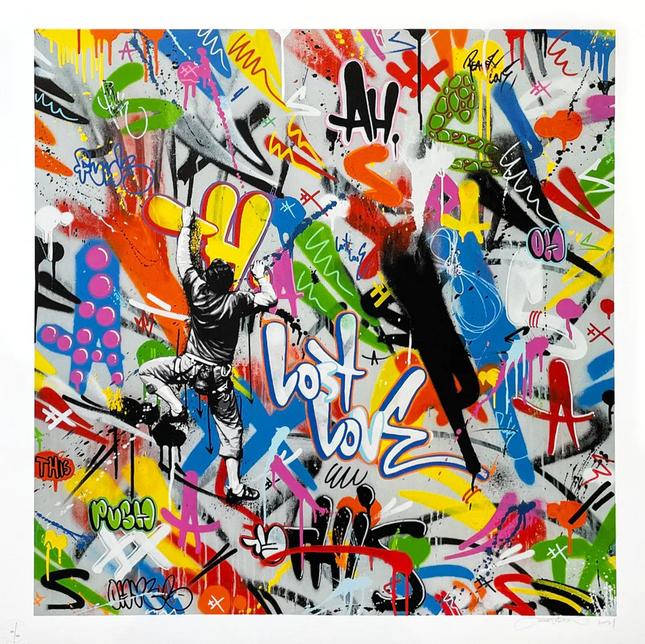
Martin Whatson is a name that has become synonymous with a distinctive style of street pop art and graffiti artwork. His journey in the art world is marked by a signature blend of grayscale images with vibrant, colorful graffiti elements, creating a striking contrast that has captivated audiences globally. Whatson's work often showcases the beauty that can be found in what appears to be chaos. He typically starts with monochromatic images, often inspired by urban environments or elements of human form, and then disrupts these with bursts of colorful graffiti. This juxtaposition is a visual technique and a commentary on the world around us—the grayness of daily life sparked with moments of bright, vivid emotion.
Rise in the Street Art Scene
Coming from Norway, Whatson developed his artistry amidst a landscape not widely known for street art. His rise to prominence in the street art scene is a testament to his ability to communicate universally relatable themes through his art. He found in the walls of his city a canvas for self-expression and a means to bring art to a broader audience, away from the exclusivity of galleries.
Cultural Impact and Collaboration
Martin Whatson's art resonates with a broad audience because it captures the dynamic interplay between order and disorder, control and freedom. His collaborations and exhibitions worldwide have allowed him to spread his unique vision, bridging different cultures and communities. His pieces often feature layered elements, with a palpable tension between the background and graffiti motifs—a technique that has become a sought-after aesthetic in street pop art.
Techniques and Mediums
Regarding technique, Watson is known for his meticulous stenciling work, which lays the foundation for the more spontaneous act of graffiti tagging. His choice of mediums and tools is varied, employing everything from spray paint to markers, ensuring that the final piece is rich in detail and depth.
Watson's Contribution to the Art World
Martin Whatson's contribution to the art world extends beyond the visual impact of his work. He has played a significant role in bringing street art into the conversation about fine art, demonstrating that graffiti and street pop art can possess depth and seriousness while remaining accessible and engaging. His work challenges preconceptions about what street art can be and its place within the spectrum of contemporary art. Martin Whatson's work celebrates the unpredictability of street pop art and graffiti. Through his distinctive style, he invites viewers to look closer and discover the layers of meaning behind the seemingly chaotic splashes of color. As street art continues to evolve and gain recognition, Whatson's art stands as a testament to the creative potential of this form and its ability to communicate across cultural and social boundaries.
Martin Whatson Street Pop Art & Graffiti Artwork
Early Life and Artistic Background
Martin Whatson, born in Norway in 1984, has become one of the most recognizable figures in contemporary street pop art and graffiti artwork. Initially drawn to the raw, unfiltered nature of street art, Whatson began painting in the early 2000s after being inspired by the politically charged stencil work of artists like Banksy. While studying at the Westerdals School of Communication in Oslo, he refined his ability to use visual art as a form of communication, combining traditional graffiti techniques with a unique, colorful twist. His early works often centered around monochromatic stencils contrasted by vibrant explosions of spray-painted patterns, establishing his instantly identifiable signature style.
Signature Style and Artistic Approach
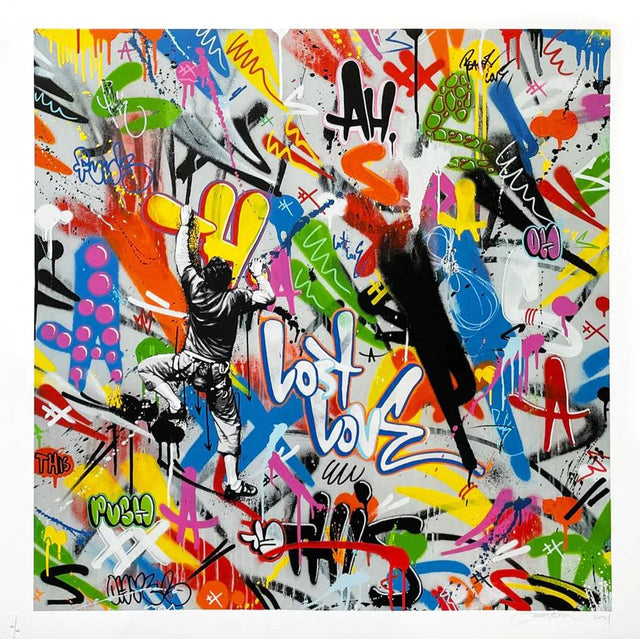
Whatson’s art is defined by its combination of grey-scale, photo-realistic stencil figures juxtaposed with chaotic bursts of multicolored graffiti tags, drips, and textures. This interplay between order and disorder is central to his visual language, symbolizing the tension between structure and creative freedom. His work often features subjects such as dancers, animals, construction workers, and urban objects, each brought to life through meticulous stencil work before being overtaken by layers of spontaneous graffiti energy. The result is a dynamic balance between the controlled precision of street stencil art and the freeform nature of graffiti tagging. This approach has made his work resonate with collectors, street art enthusiasts, and those who appreciate fine art prints with urban influence.
Notable Works and Collaborations
Throughout his career, Martin Whatson has created a series of limited edition prints, murals, and original canvases that have garnered international attention. Works such as “Butterfly,” “Climber,” and “Fractured” are prime examples of his ability to combine a central monochrome figure with vibrant graffiti backdrops. His collaborations extend beyond solo exhibitions, working with other renowned street artists and participating in major street art festivals around the world. Cities like London, Paris, Tokyo, and New York feature his murals, and his limited edition prints often sell out rapidly upon release, a testament to his growing collector base. His pieces have also been featured in high-profile auctions, further solidifying his position within the fine art market.
Street Pop Art in the Global Context
Whatson’s contribution to street pop art and graffiti artwork reflects a broader global trend where artists blur the boundaries between gallery art and urban expression. His use of colorful graffiti elements over clean stencils mirrors the layered realities of city life, where planned structures coexist with spontaneous creative acts. While his art maintains the rebellious energy of street culture, it also carries the refined detail and conceptual weight appreciated in fine art settings. This duality allows his work to thrive both in outdoor urban environments and in curated exhibitions, making him a bridge between street-level authenticity and high-end art collecting.
Collectibility and Cultural Impact
As a limited edition printmaker and muralist, Martin Whatson has cultivated a dedicated following among art collectors who value both his visual style and the cultural narratives embedded in his work. Each piece tells a layered story — the monochrome subject suggesting a frozen moment in time, while the vibrant graffiti overlay represents the ever-changing nature of culture, identity, and creativity. His art speaks to the persistence of self-expression in the face of conformity, resonating with both seasoned collectors and new enthusiasts discovering street pop art. By maintaining a strong presence in both physical and digital art spaces, Whatson continues to influence the evolution of contemporary graffiti artwork, cementing his place as one of the most important Norwegian artists working today.