Murder & Crime

1 artwork

  • War Child Silkscreen Print by Hijack

    Hijack War Child Silkscreen Print by Hijack

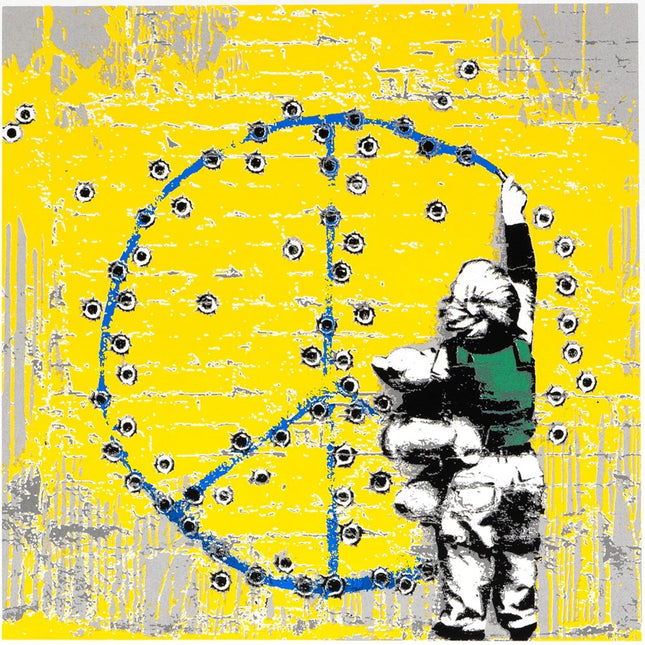
    War Child 5-Color Hand-Pulled Limited Edition Silkscreen Print on Fine Art Paper by Hijack Rare Street Art Famous Pop Artwork Artist. 2022 Signed Edition of 75 16x16 Ukraine War Protest Print. "When adults wage war, children suffer." War Child by Hijack: A Powerful Statement in Street Pop Art & Graffiti Artwork The War Child silkscreen print by Hijack is a striking piece of street pop art & graffiti artwork, using a five-color hand-pulled technique to create a bold and emotionally charged image. Released in 2022, this signed, limited edition print of 75 captures the devastating impact of war through the lens of innocence. Measuring 16x16 inches, this fine art print is a direct protest against the war in Ukraine, highlighting the suffering endured by children in conflict zones. Symbolism and Message Behind War Child Hijack’s artwork is known for its ability to communicate strong social and political messages, often using stenciled imagery reminiscent of early graffiti movements. In War Child, a young girl stands before a bullet-riddled wall, drawing a peace symbol with what appears to be the holes left by gunfire. The choice of a bright yellow background contrasts with the dark imagery, making the scene both visually arresting and emotionally powerful. The child clutches a stuffed teddy bear, a universal symbol of childhood, emphasizing innocence and vulnerability amidst destruction. This print echoes a fundamental reality of war—the youngest and most innocent suffer the most. The image is a call to awareness, urging viewers to reflect on the human cost of armed conflicts. It speaks to the resilience of children, showing that even in the face of violence, they cling to symbols of hope and peace. The Influence of Hijack in Street Pop Art & Graffiti Artwork Hijack has established a strong presence in the street pop art & graffiti artwork world, using a combination of stenciling, mixed media, and traditional silkscreen techniques. His works often draw influence from activist street art, satirical graffiti, and urban social commentary, making them both thought-provoking and visually engaging. War Child follows in the footsteps of artists who have used public art as a means of social protest, calling attention to issues that are often ignored or underrepresented in mainstream discourse. Hijack’s visual style is reminiscent of stencil-based political street art, often associated with protest movements and anti-war messaging. His ability to translate global conflicts into emotionally charged urban artwork has earned him recognition as a contemporary voice in activist-driven street pop art. The Role of War Child in Modern Protest Art War Child fits within a broader tradition of street pop art & graffiti artwork that challenges authority, exposes injustice, and provides commentary on contemporary issues. The Ukraine war has generated a global response from artists, many of whom have used their platforms to speak out against violence and humanitarian crises. By creating limited-edition prints like War Child, Hijack ensures that the message reaches collectors, activists, and art enthusiasts who share a passion for socially conscious urban art. This piece is more than just a print—it is a statement, a protest, and a call to action. Through the visual language of street pop art & graffiti artwork, Hijack turns walls into megaphones, amplifying voices that might otherwise go unheard. War Child stands as a testament to the power of art to challenge, provoke, and inspire change, making it an essential addition to the evolving narrative of art as activism.

    $2,500.00

Murder & Crime
Murder and crime, as themes, have had a longstanding relationship with the world of art. Although it may seem paradoxical, these dark elements of human nature have inspired creativity and expression across various forms of art. Pop art, street art, and graffiti art, in particular, have frequently used these themes to provoke thought, generate dialogue, and mirror society's realities. Pop Art, known for its vibrant colors and iconic imagery, emerged as a form of critique and reflection on popular culture and mass media. Artists such as Andy Warhol and Roy Lichtenstein famously depicted crime scenes, violence, and icons of crime in their work. Warhol's 'Death and Disaster' series portrayed images of car accidents, suicides, and electric chairs, reminding viewers of the omnipresence of death and violence in the media. Lichtenstein’s "Crying Girl" and "Drowning Girl" allude to the melodrama of comic book narratives, often filled with crime and tragedy. Street art and graffiti, on the other hand, have roots in societal protest and rebellion. Unlike the commercial appeal of pop art, these art forms were initially associated with counterculture movements and often highlighted issues of social injustice. By painting on public surfaces such as walls, bridges, and buildings, street artists and graffiti artists present the urban environment's gritty realities. Banksy, an anonymous England-based street artist, uses satirical street art and subversive epigrams that combine dark humor with graffiti. His works often present socio-political commentary, with subjects including war, capitalism, hypocrisy of the high class, and even crime. His iconic piece, "Balloon Girl," has been interpreted as a commentary on the loss of innocence, possibly as a result of violence or crime. In the late 20th century, graffiti art was often associated with gang activity, marking territories and symbolizing power struggles. However, it has since evolved into a recognized form of art, showcasing complex compositions and poignant messages. Some artists utilize crime-related imagery to depict societal problems or critique systemic issues, serving as a visual narrative of the struggles faced by marginalized communities. In cities worldwide, murals depicting victims of violence have become common, serving as memorials and marking public spaces as sites of remembrance. This form of street art highlights the impact of crime on communities, offering a platform for collective mourning and protest against violence. While crime and murder as themes may seem dark and unsavory, their depiction in pop art, street art, and graffiti art is essential. These art forms provide a mirror to society, reflecting the realities that people live in, from the consumerist culture exposed by pop art to the systemic issues highlighted by street and graffiti art. These depictions make visible the often-invisible narratives, giving voice to those who have been silenced and sparking dialogue about these prevalent issues. Art, in its many forms, continues to serve as a powerful tool for expressing complex emotions and ideas. As we navigate our way through the 21st century, the representation of crime and murder in pop art, street art, and graffiti art continues to evolve, shedding light on contemporary societal issues and pushing boundaries of artistic expression. These art forms not only reflect the darker aspects of human existence but also challenge us to confront these realities, pushing towards a more empathetic and understanding society.
Footer image

© 2025 Sprayed Paint Art Collection,

    • Amazon
    • American Express
    • Apple Pay
    • Bancontact
    • Diners Club
    • Discover
    • Google Pay
    • iDEAL
    • Mastercard
    • PayPal
    • Shop Pay
    • Visa

    Login

    Forgot your password?

    Don't have an account yet?
    Create account