
Winnie the Pooh as Street Pop Art Symbol
Winnie the Pooh, originally created by author A. A. Milne and illustrator E. H. Shepard in the early twentieth century, has long transcended his literary beginnings to become a global pop culture figure. While traditionally associated with childhood nostalgia and gentle wisdom, recent reinterpretations in the world of Street Pop Art & Graffiti Artwork have cast the honey-loving bear in a radically different light. Artists across contemporary urban platforms have transformed Pooh into a subject of visual and conceptual experimentation, using his familiar form as a vehicle to critique consumerism, isolation, and emotional dissonance. In this context, Pooh becomes a vessel not of innocence but of introspection, cleverly bridging the worlds of innocence and awareness.
From Storybook Character to Visual Commentary
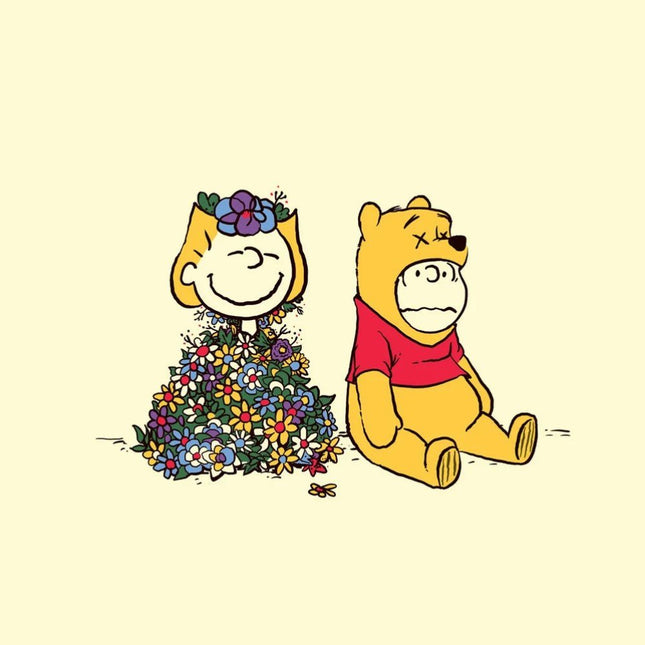
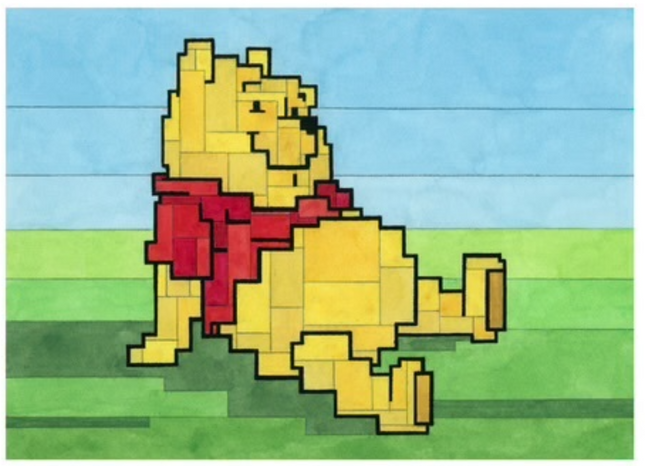
As Street Pop Art & Graffiti Artwork often repurposes familiar icons to disrupt comfort zones, Winnie the Pooh’s soft form, round features, and blank-eyed innocence serve as a perfect foundation. Artists have stylized the character in various mediums—vinyl sculptures, stencil art, murals, and hand-pulled silkscreens—often placing him in jarring contemporary settings. The red shirt remains an instantly recognizable motif, but its pairing with elements like luxury logos, graffiti tags, or urban decay underscores the visual tension between the character’s pure-hearted origins and the realities of a complex modern world. This recontextualization pushes viewers to reassess the character’s simplicity as both a strength and a vulnerability.
The Psychological Echo in Urban Environments
In the hands of modern street artists, Pooh often adopts new accessories—headphones, hoodies, slouched postures—that place him squarely in the emotional landscape of the current generation. These adaptations speak to the collective desire to retreat inward amidst overstimulation. With blank stares and silent demeanor, Pooh becomes a symbol of quiet rebellion, resisting chaos not with confrontation but with stillness. This reinterpretation is a recurring theme within the Street Pop Art & Graffiti Artwork world, where still figures speak loud truths about isolation, overstimulation, and emotional burnout. Pooh’s transformation from a woodland dweller to an urban bystander reinforces the genre’s ability to evolve timeless imagery into potent social commentary.
A Bear of Minimal Words in Maximal Culture
Artists like Luke Chueh have famously reimagined Pooh in the form of emotionally loaded vinyl art toys that strip away the joy and amplify the quiet. These works replace the Hundred Acre Wood with graffiti-laced brick walls, and the honey pot with headphones. These adaptations are not merely parodies or homages but thoughtful explorations of nostalgia, identity, and the commodification of emotion. Through minimal expression and carefully curated accessories, these interpretations hold a mirror to both art culture and consumer society. Winnie the Pooh’s reinterpretation in Street Pop Art & Graffiti Artwork speaks to the ability of iconic characters to evolve without losing the imprint of their origin, offering new meaning through the visual language of urban expression.